The Artistic Language of Painting, Mosaic and Monumental-Decorative Art
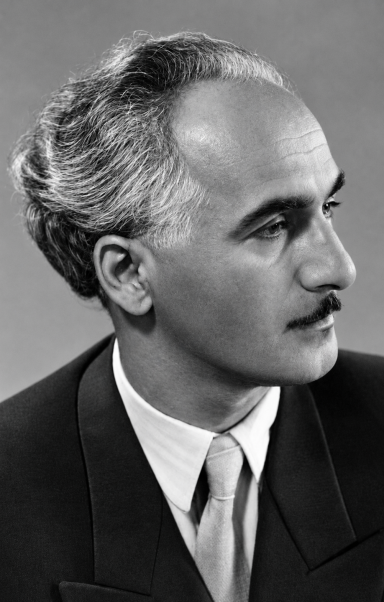
Ogtay Yusif oglu Shikhaliyev was born on 3 September 1931 in Baku. A distinguished Azerbaijani artist and People’s Artist of Azerbaijan, Ogtay Shikhaliyev occupies a distinctive place in the history of Azerbaijani fine arts through his contributions to painting and monumental-decorative art. His artistic practice encompassed easel painting, mosaic and fresco, the artistic design of public buildings, and decorative and applied art.
Professional Training and Artistic Formation
From 1947 to 1952, Shikhaliyev studied at the Azim Azimzade Art School. Between 1952 and 1958, he continued his education in Leningrad at the V. I. Mukhina Higher Art and Industrial School, studying in the artistic ceramics department and specialising in decorative and applied arts.
In 1957, he received first prize in decorative art at an exhibition held as part of the All-Union Youth Festival. His admission to the Union of Artists of Azerbaijan in 1960 marked another important stage in his professional career. In later years, he also taught, sharing his experience with younger generations of artists.
Monumental Art and the Language of Mosaic
From the 1960s onwards, monumental-decorative art became a significant direction in Shikhaliyev’s work. Using mosaic, fresco and other decorative techniques, he created compositions adapted to the architectural character of public buildings. In these works, colour and form function not only as means of representation but also as elements contributing to the coherence of the architectural environment.
His monumental works are associated with such Baku landmarks as the Baku State Circus, the Household Air Conditioners Factory, the Azerbaijan publishing house, School No. 18 and the “Uşaq dünyası” department store. His collaborations with Hajibala Rajabov also form an important part of his work in this field. Their projects for the Azərneft Computing Centre in 1978 and the State District Power Station in 1981, together with the composition created for the façade of the New Baku Shoe Factory in 1980, illustrate the relationship between monumental art and public space. Yusif Huseynov also participated in the latter project.
Among Shikhaliyev’s mosaic works are Rainbow, created in 1987 for the façade of the Baku Deep Foundations Factory, and Yalli, a composition made in 1988 for the courtyard of the former Ozon factory. Rhythm, colour relationships and decorative structure strengthen the connection between these works and their architectural surroundings.
Easel Painting: Themes and Modes of Expression
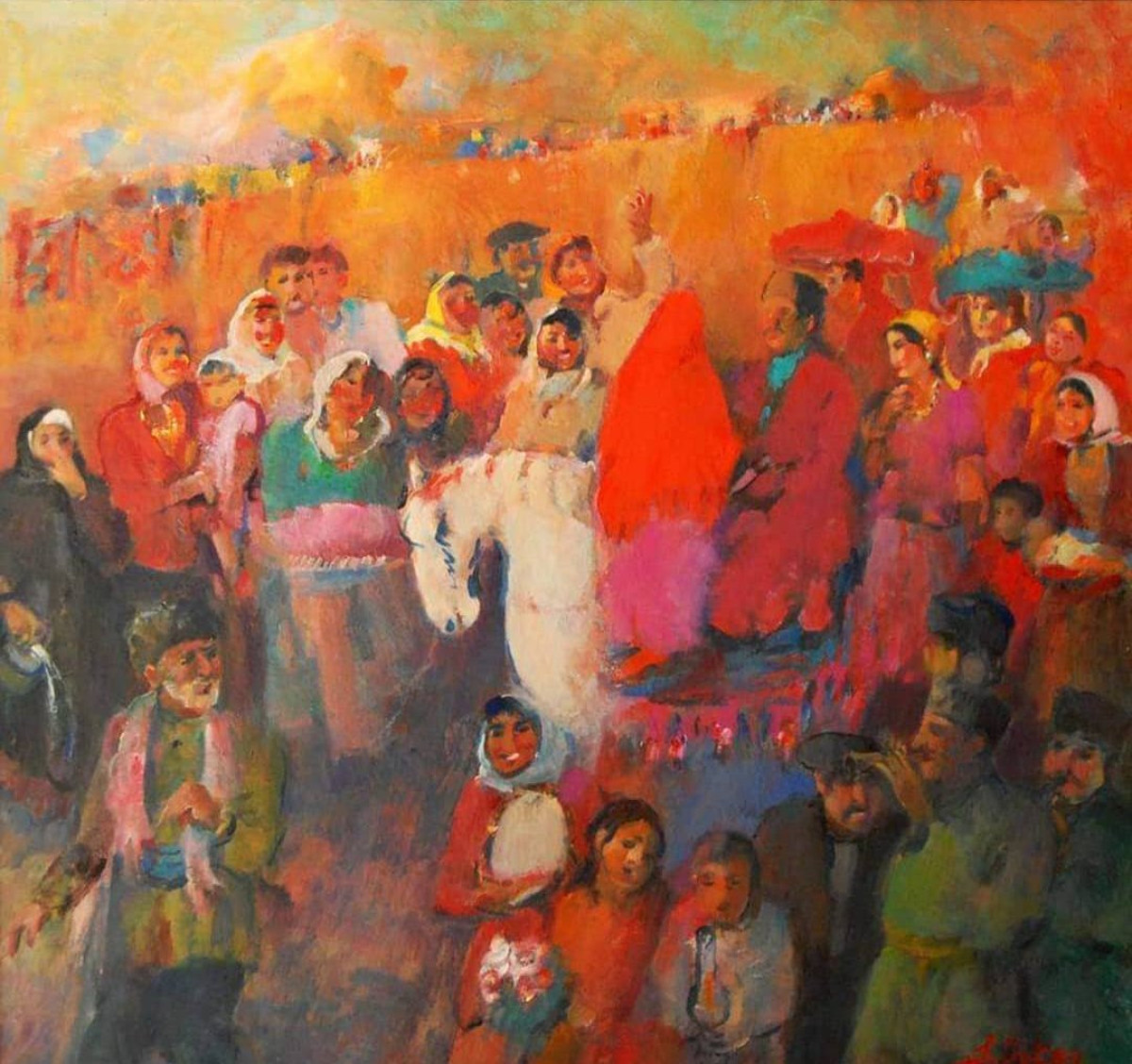
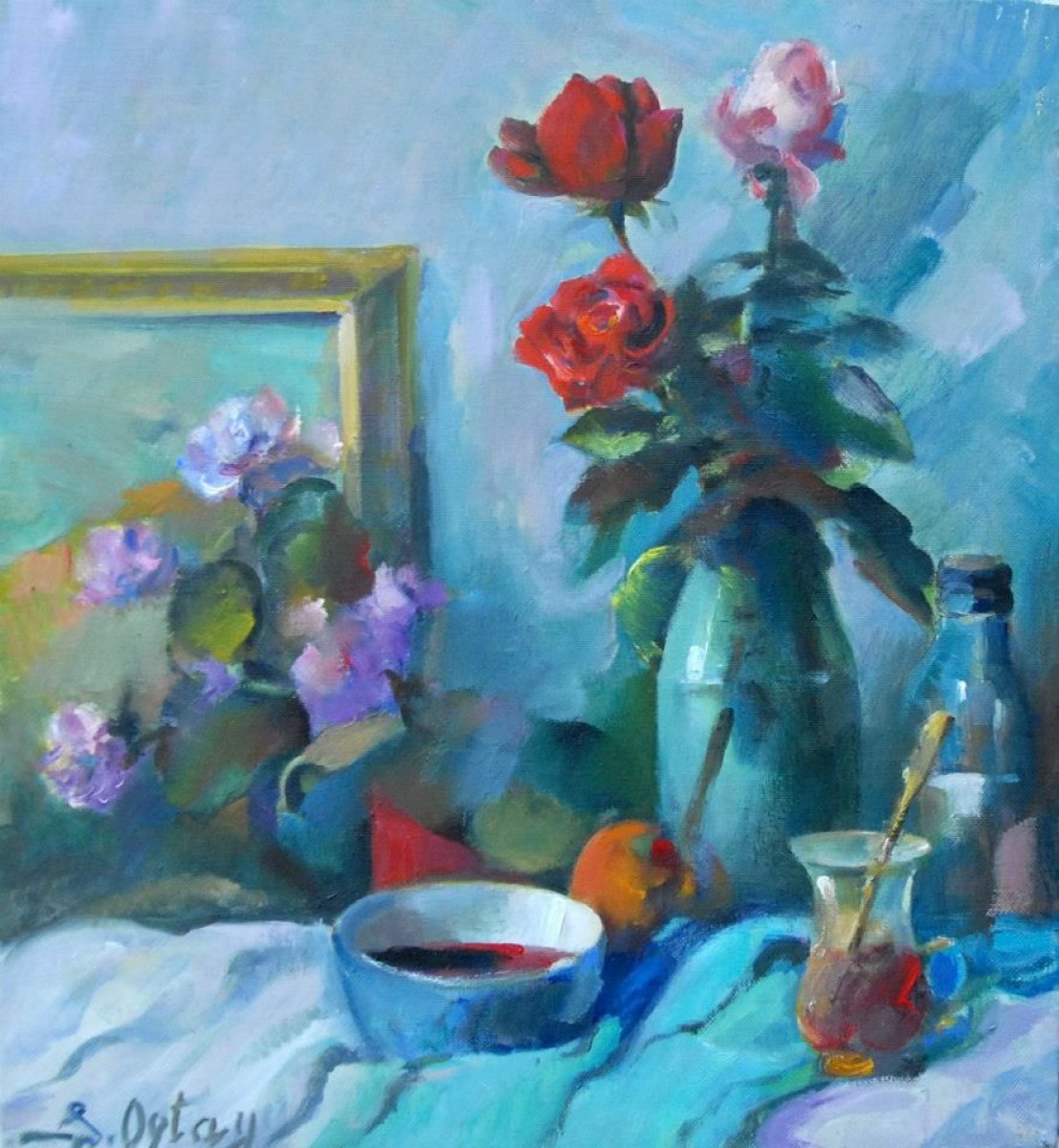
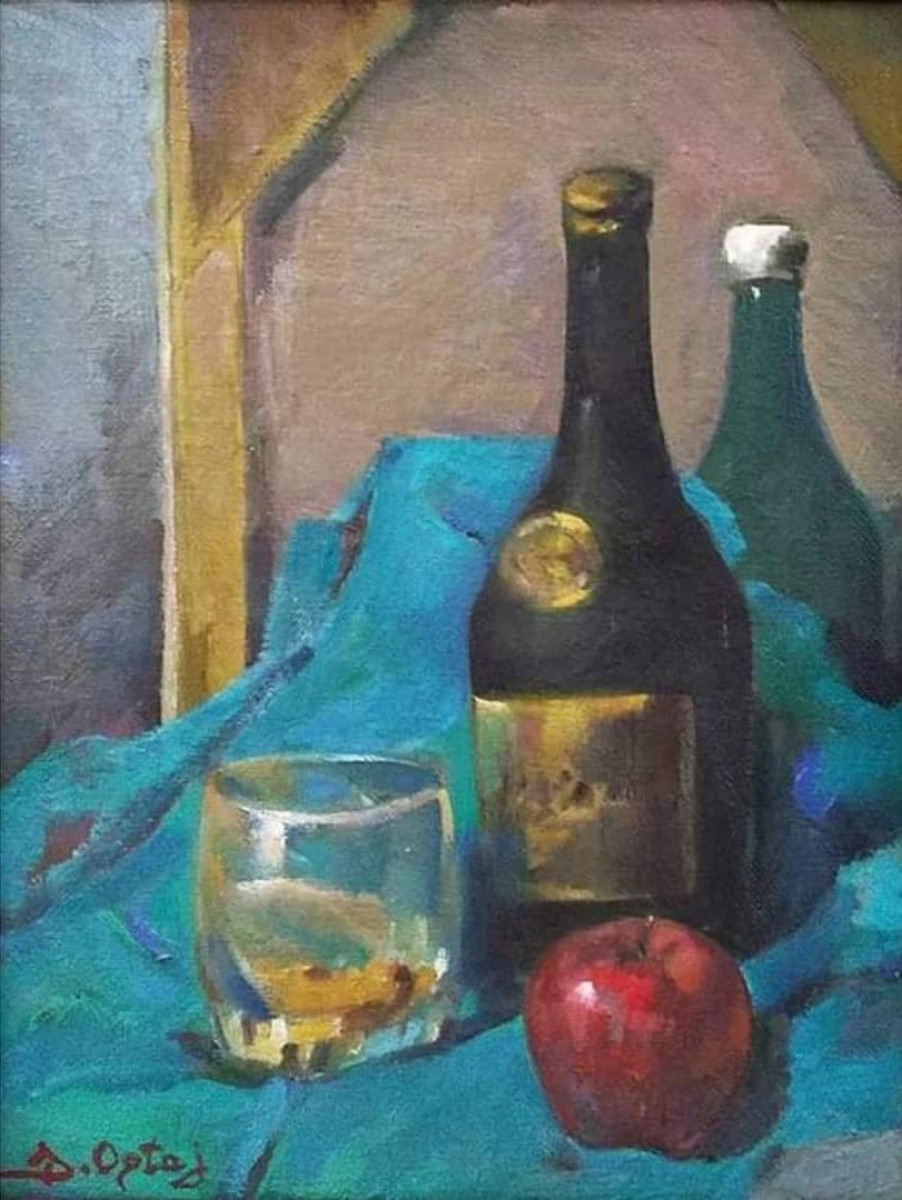
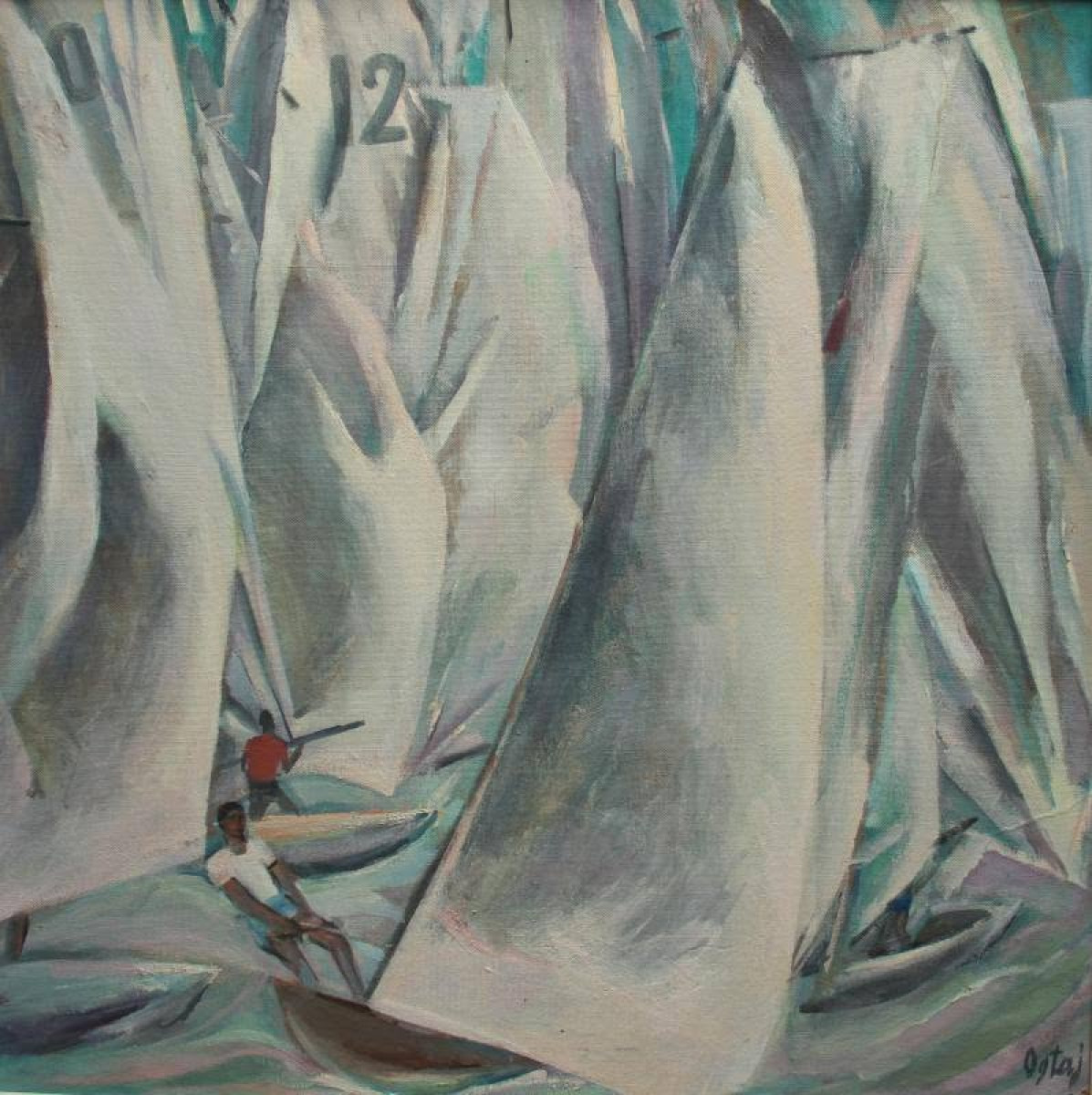
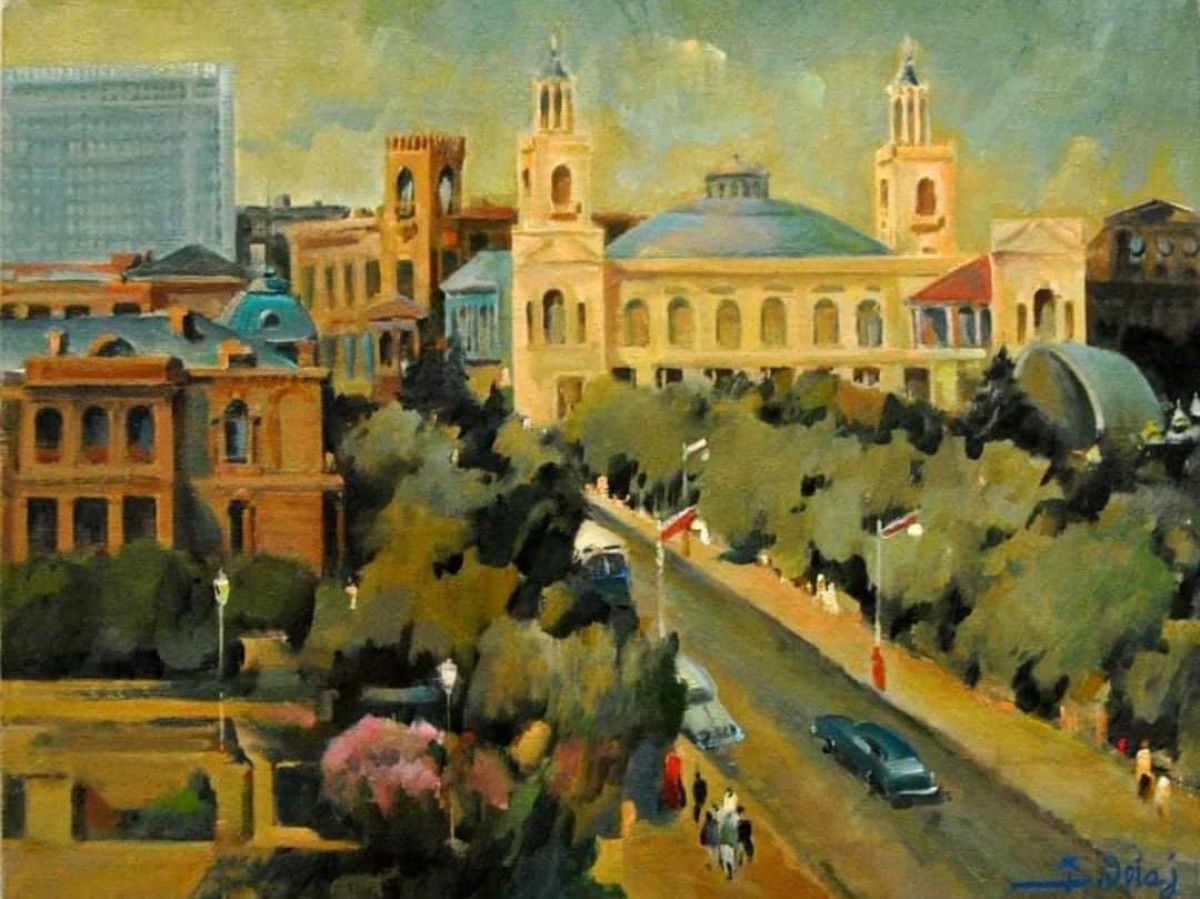
Shikhaliyev’s artistic practice extended beyond monumental art. He worked in landscape, portraiture and thematic composition, exploring different approaches across a range of genres.
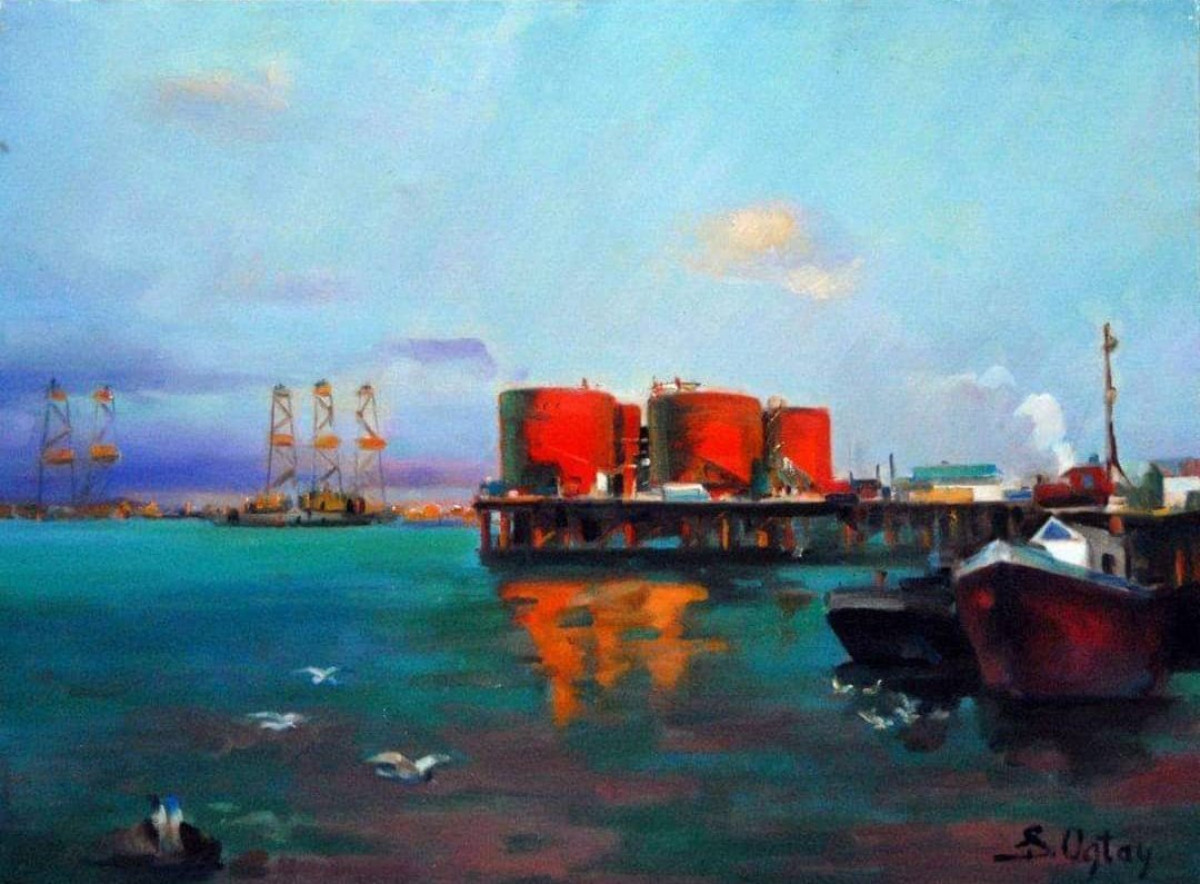
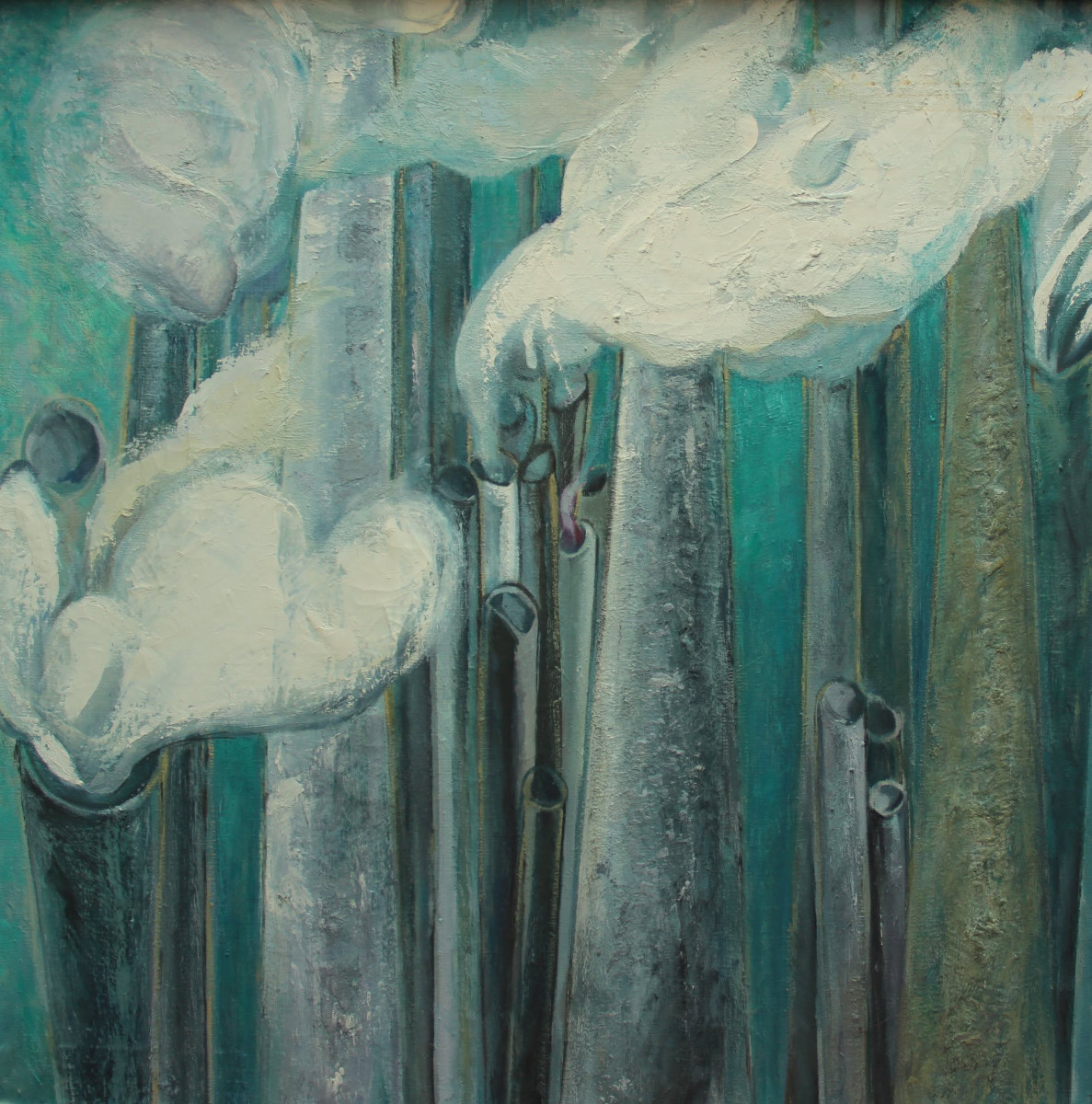
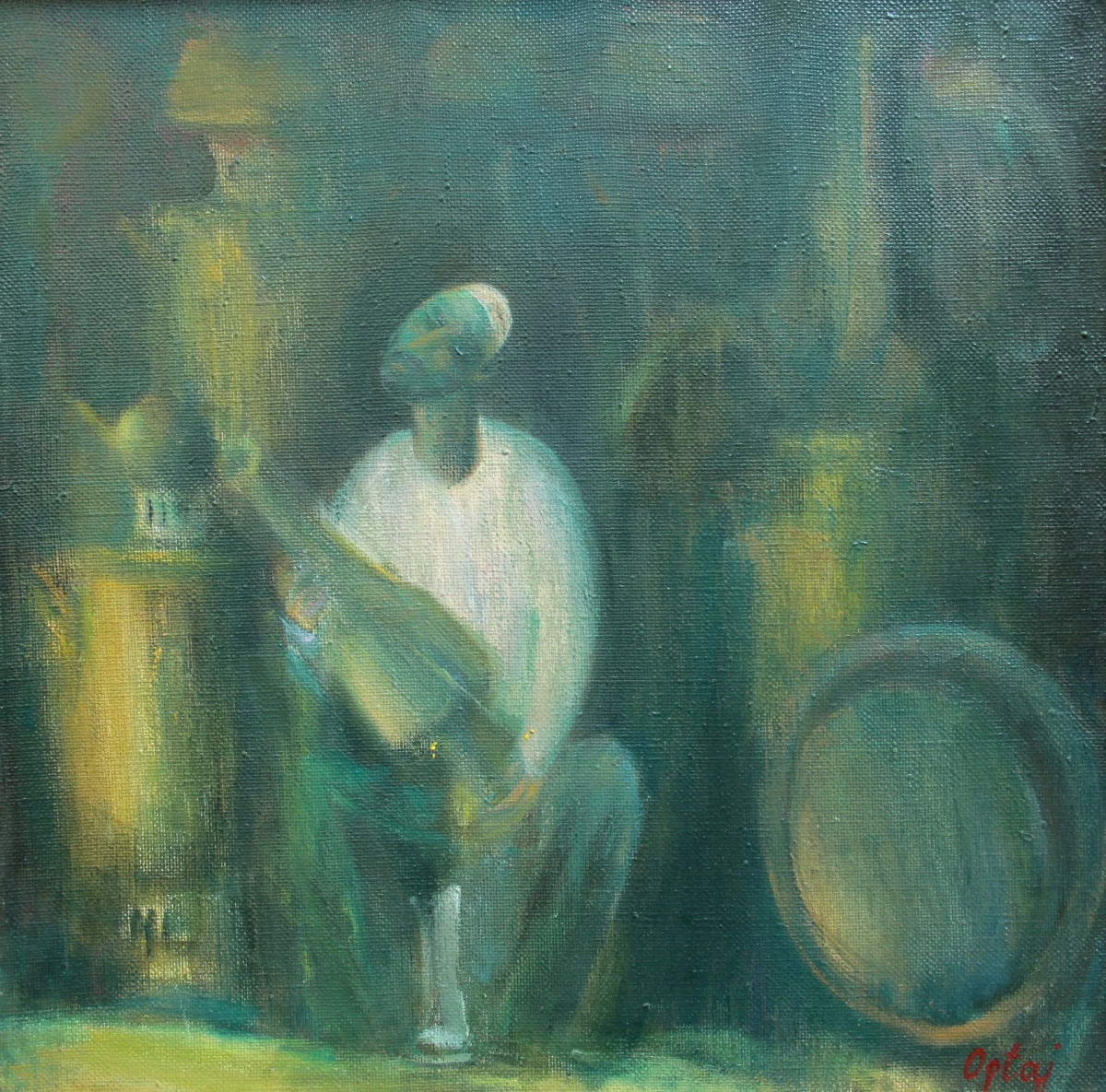
His works include Gobustan Stones (1966), Tanks (1969), The Taming of the Kura (1970), Only Peace (1970), Slaughterhouse (1970), My Bouquet (1971), Chapel (1980) and Mugham (1982). Together, these works reflect the range of subjects and expressive approaches that informed his painting.
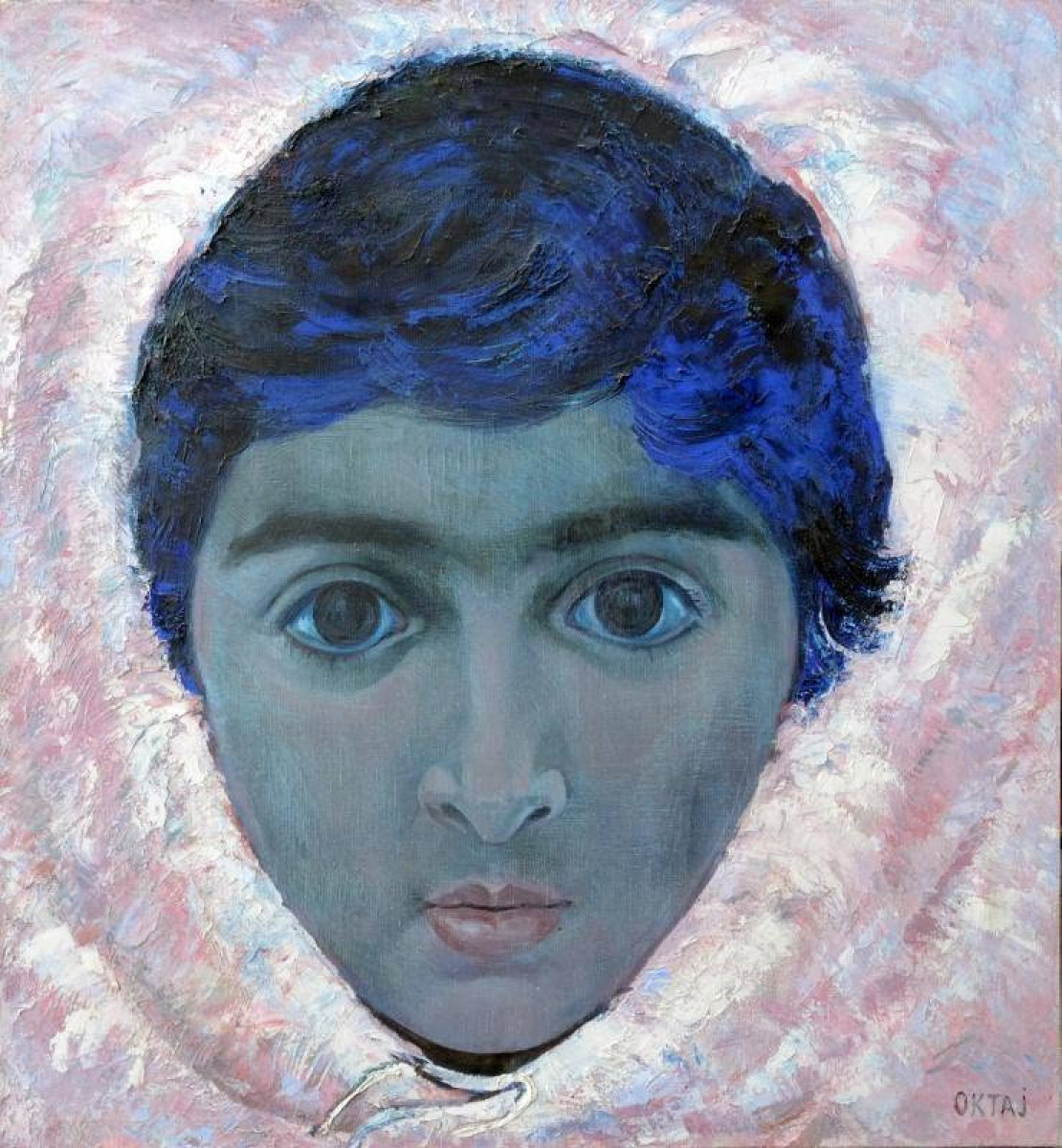
His portraits include Tar Player Bahram Mansurov (1972), Artist Rasim Babayev (1975), Nigar (1975) and The Artist’s Family (1976), in which individual characteristics and personal traits occupy a central place.
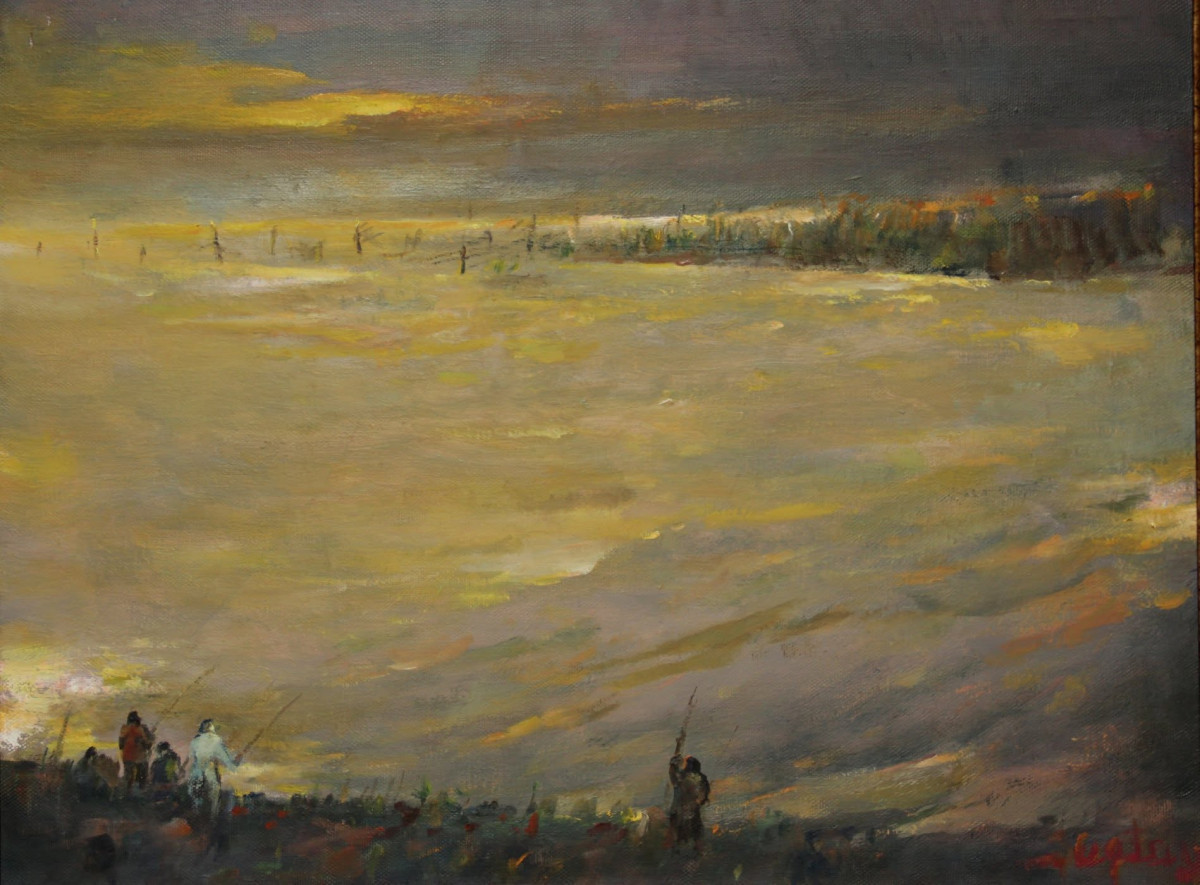
A visit to Mexico in 1980 enriched his artistic experience and inspired a series of works, including At the Foot of the Mountains, At Sunset, Pyramid, Toreador, Mexico City, Taxco, Guadalajara, Acapulco and Fisherman. These works convey the artist’s personal response to unfamiliar landscapes, cities and cultural environments.
Shikhaliyev also worked in decorative and applied arts, producing ornamental vases and plates. Across canvas, ceramic objects and architectural surfaces, he explored the expressive possibilities of different materials and formats.
A Unified Practice, Distinct Means of Expression
Although easel painting and monumental-decorative art involve different working methods, Shikhaliyev’s work reveals connections between the two. In easel painting, subject matter, colour relationships and composition establish an independent pictorial space. In monumental works, these elements must also respond to the scale, function and architectural structure of their setting.
In mosaic, the properties of the material and the rhythmic arrangement of individual pieces are particularly important. In painting, colour layers, surface texture and pictorial structure offer different possibilities for expression. Shikhaliyev’s work across these fields demonstrates his experience in creating both independent artworks and compositions intended for public architectural environments.
The Significance of His Artistic Legacy
Ogtay Shikhaliyev’s work is significant to the study of painting and monumental-decorative art in Azerbaijan. His oeuvre offers insight into the use of diverse artistic techniques, the relationship between architecture and the visual arts, and the expressive possibilities of decorative composition.
His legacy is notable not only for the artistic qualities of individual works but also for the role of art in public spaces. Preserving, documenting and researching this body of work remains important to the study and transmission of Azerbaijan’s artistic heritage to future generations.
Ogtay Shikhaliyev died in Baku on 31 January 2012.
Art Space Gallery MEDIA