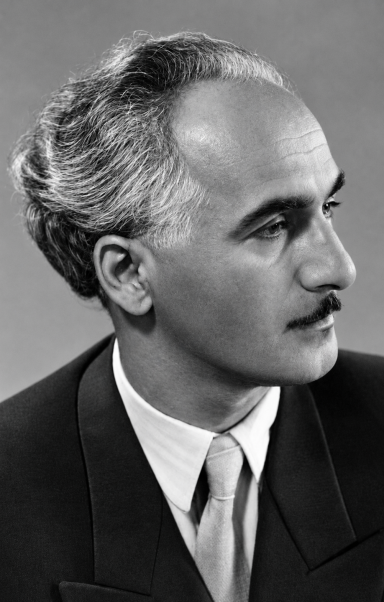
Life and Education
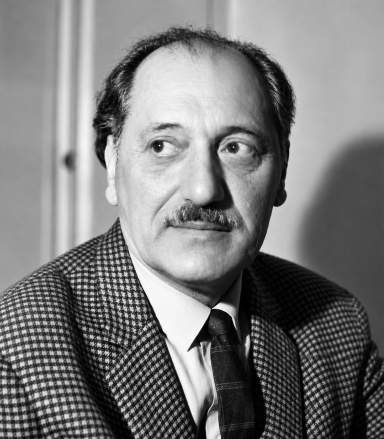
Taghi Azizaga oglu Taghiyev was born on 7 November 1917 in Baku into a family of jewellers. He studied at the Azerbaijan State Art Technical School from 1931 to 1935. In 1940, he travelled to Moscow to continue his studies at the Moscow State Art Institute under the guidance of Sergey Gerasimov. The Second World War interrupted his education.
A prominent figure in twentieth-century Azerbaijani painting, Taghiyev worked across portraiture, thematic painting, landscape and scenes of everyday life. His art reflects a sustained interest in the human figure, the realities of daily experience and the visual character of the surrounding environment.
Early Works
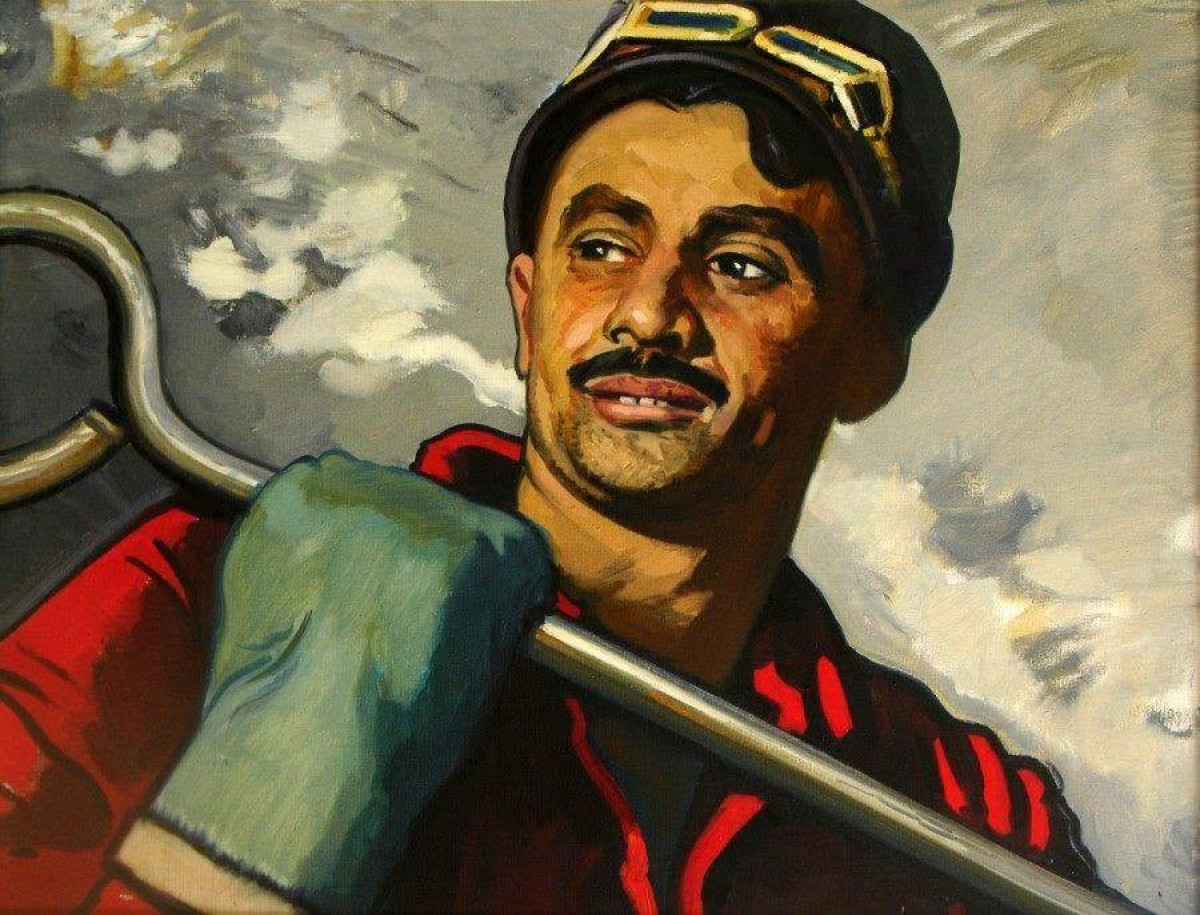
Taghiyev began participating in exhibitions in 1932. Collective Farm Market (1932) and Awarding a Collective Farm Woman (1935) are among the works associated with his early thematic painting. They reveal his interest in labour, social life and the representation of people within their everyday surroundings.
These subjects continued to inform his later work, alongside an increasingly pronounced attention to individual character and the expressive potential of composition.
Portraiture
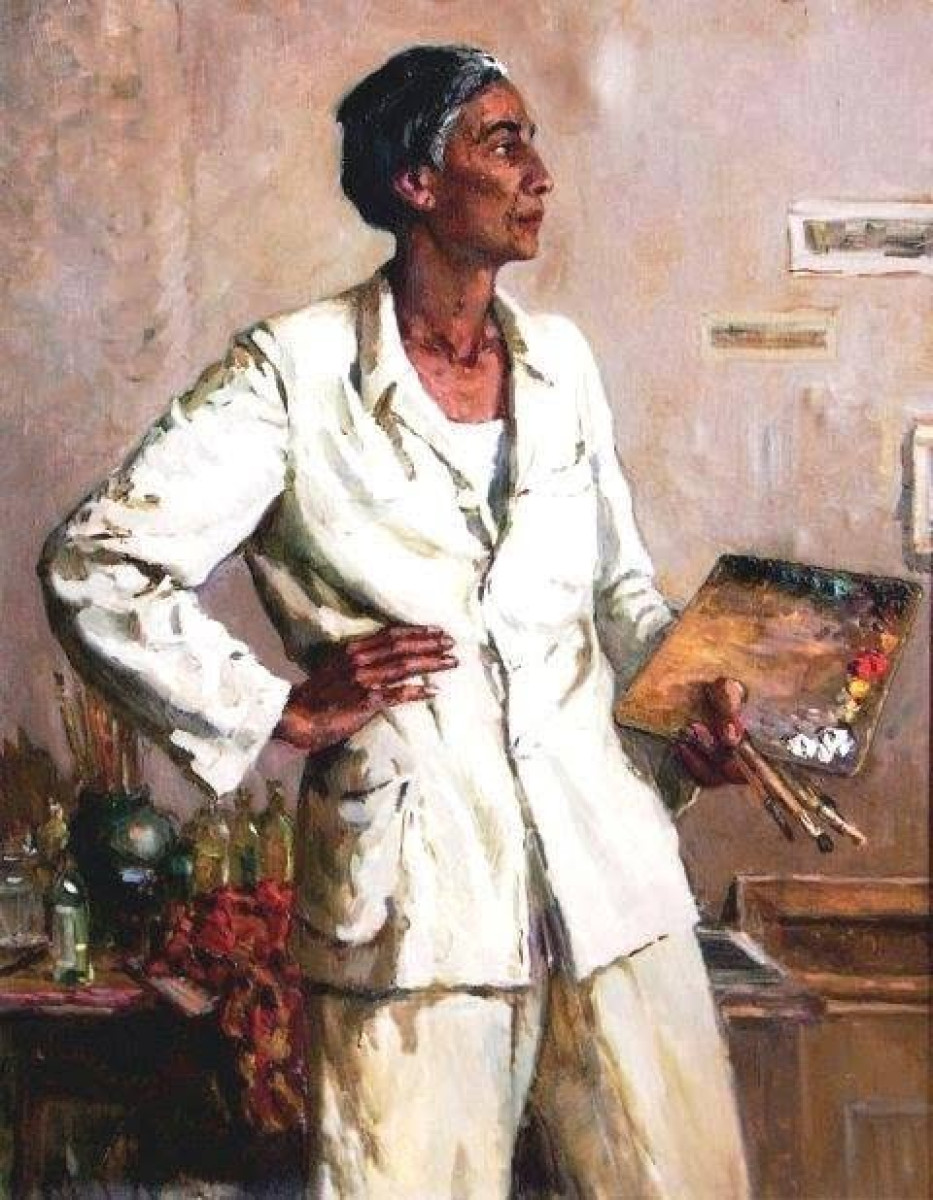
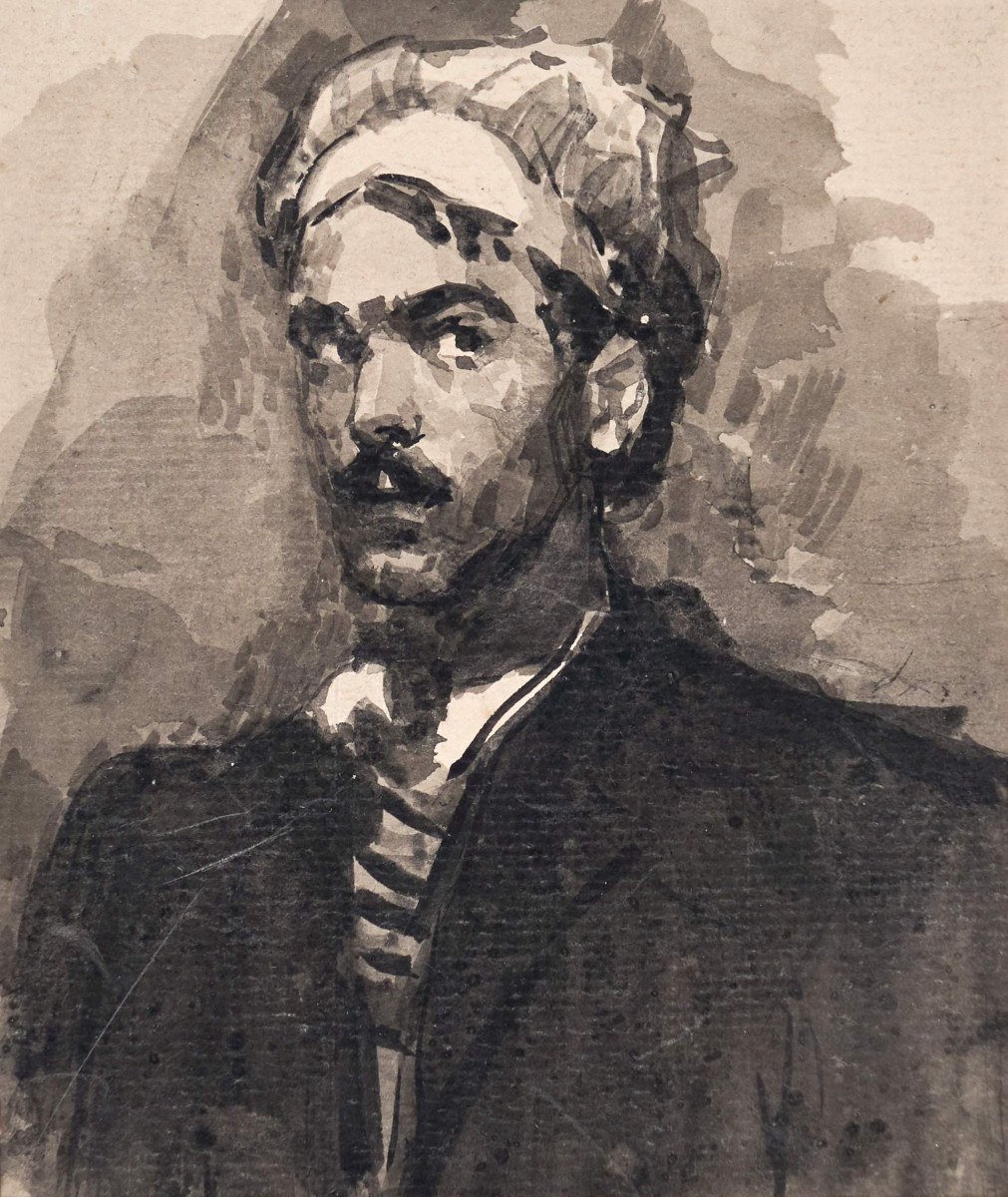
Portraiture occupies a central place in Taghiyev’s oeuvre. Beyond physical likeness, he sought to convey the individuality and inner presence of his sitters. Posture, gaze, facial expression and the relationship between colours contribute to the psychological character of his portraits.
Among the works attributed to this aspect of his practice are Koroghlu (1942), The Painter Bahruz Kangarli (1947), Composer Gara Garayev (1948), The Painter Kamil Khanlarov (1950), Self-Portrait (1953), The Painter Sattar Bahlulzade (1955), The Painter Maral Rahmanzade (1959), People’s Poet Samad Vurgun (1967), Huseyn Javid (1973) and Uzeyir Hajibeyov (1985).
Together, these portraits form a visual record of significant figures in Azerbaijani cultural life while demonstrating the artist’s ability to approach each subject as an individual personality.
Historical and Everyday Themes
Historical memory, heroism and everyday experience also feature prominently in Taghiyev’s work. The triptych known as Koroghlu Dastgah is among his historical compositions and is dated to 1944. It should be distinguished from the separate portrait Koroghlu, dated 1942.
His thematic paintings include Heroic Mother (1948), Badamli (1960) and Both Grandmother and Grandfather Are Mine (1969). The Carpet Seller (1943) presents everyday life through a specific human figure.
In these works, individual activity, family relationships and the wider social environment provide the narrative framework. The arrangement of figures and their interaction within the composition help communicate the meaning of each scene.
Self-Portrait
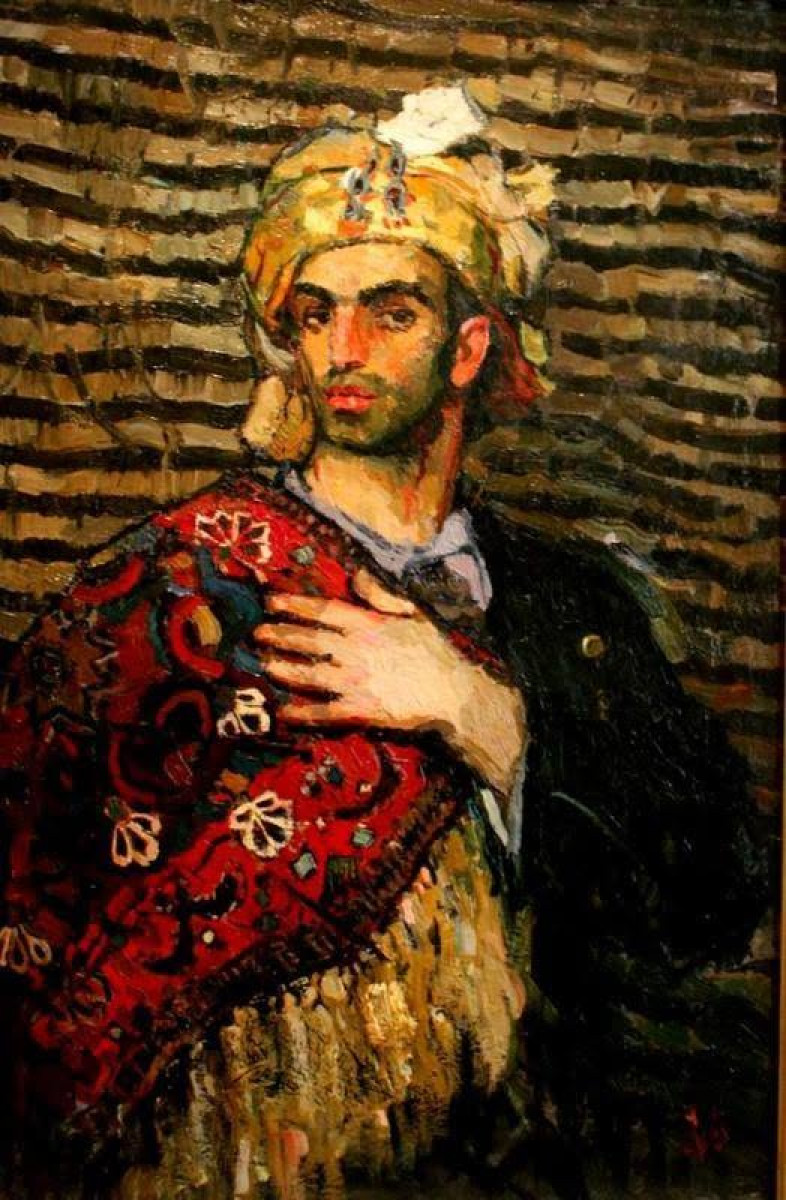
Self-Portrait with a Carpet (1944) is a notable example of Taghiyev’s exploration of his own image. The carpet introduces a connection between portraiture and the decorative traditions of Azerbaijani art.
The juxtaposition of the artist’s figure and the carpet may be interpreted as a reference to cultural heritage and personal identity. This remains an art-historical reading rather than a documented statement of the artist’s intention.
Landscapes and Baku
Baku and the landscapes of Azerbaijan form an important part of Taghiyev’s artistic world. Urban panoramas, the Absheron coastline and varied natural settings provided recurring subjects. Works associated with this field include Baku Morning, Buzovna, Lake Goygol Landscape, Snowy Roads and Landscape. Mount Ilandag.
In these paintings, composition, light and colour establish the character of a place. Architectural forms and the rhythms of city life shape the urban scenes, while the structure of the land and its changing colours guide the natural landscapes.
Window
Created in 1958, Window brings together a panorama of Baku, flowers on a windowsill and a light curtain. Its central compositional feature is the relationship between the interior and the city beyond it.
The window frames the view and directs the viewer’s gaze towards the urban landscape. The flowers and curtain soften the interior, lending the scene a quiet, lyrical atmosphere.
African Subjects
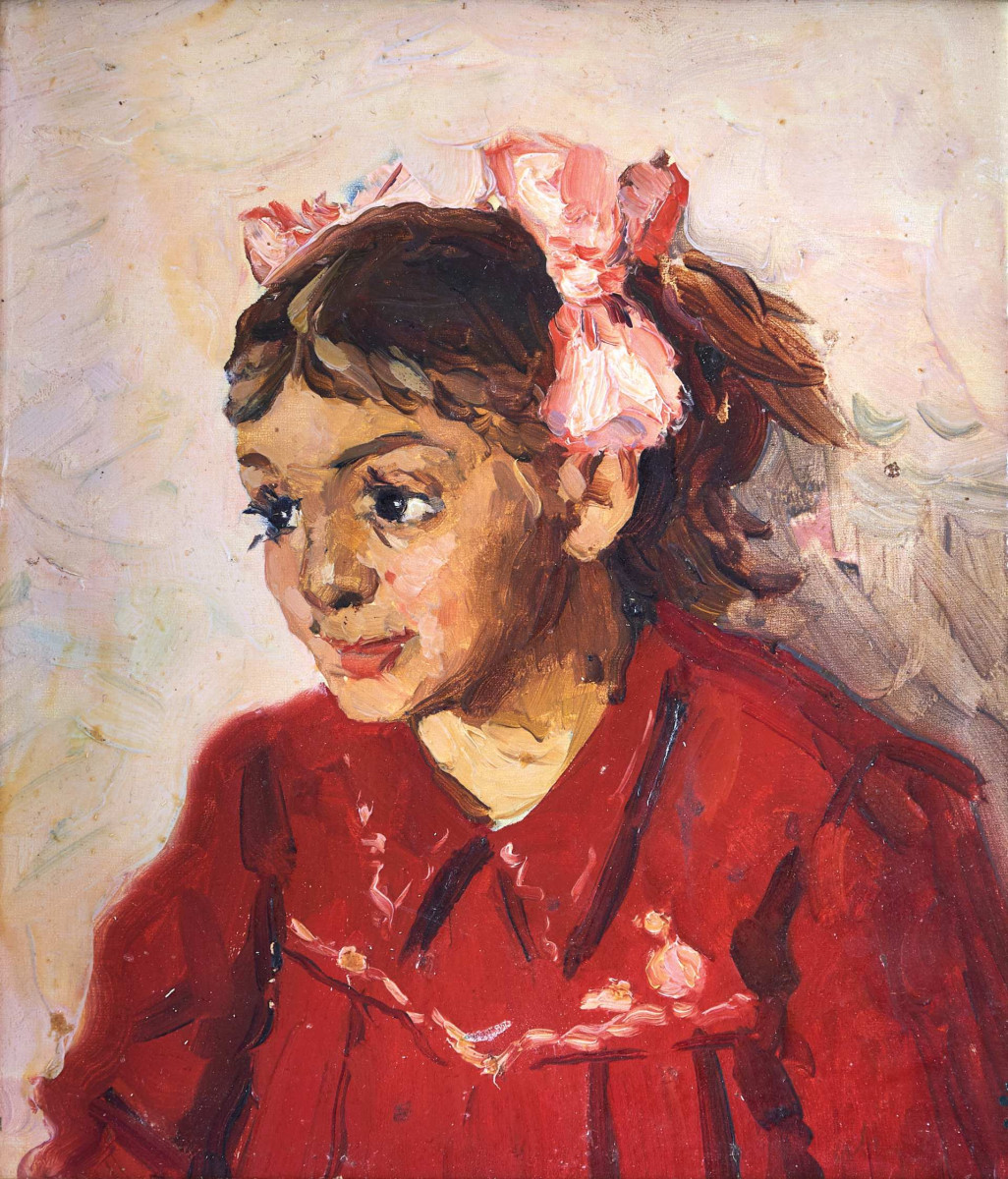
Taghiyev travelled in connection with Africa in 1954. Works associated with African subjects include African Girl, African Motif, Port of Tangier and African Landscape.
These subjects indicate an expansion of the artist’s geographical and thematic interests. They also provide opportunities to explore human figures and unfamiliar environments through colour and observation. The precise dates and circumstances of individual works should be established separately wherever catalogue evidence is available.
Colour and Style
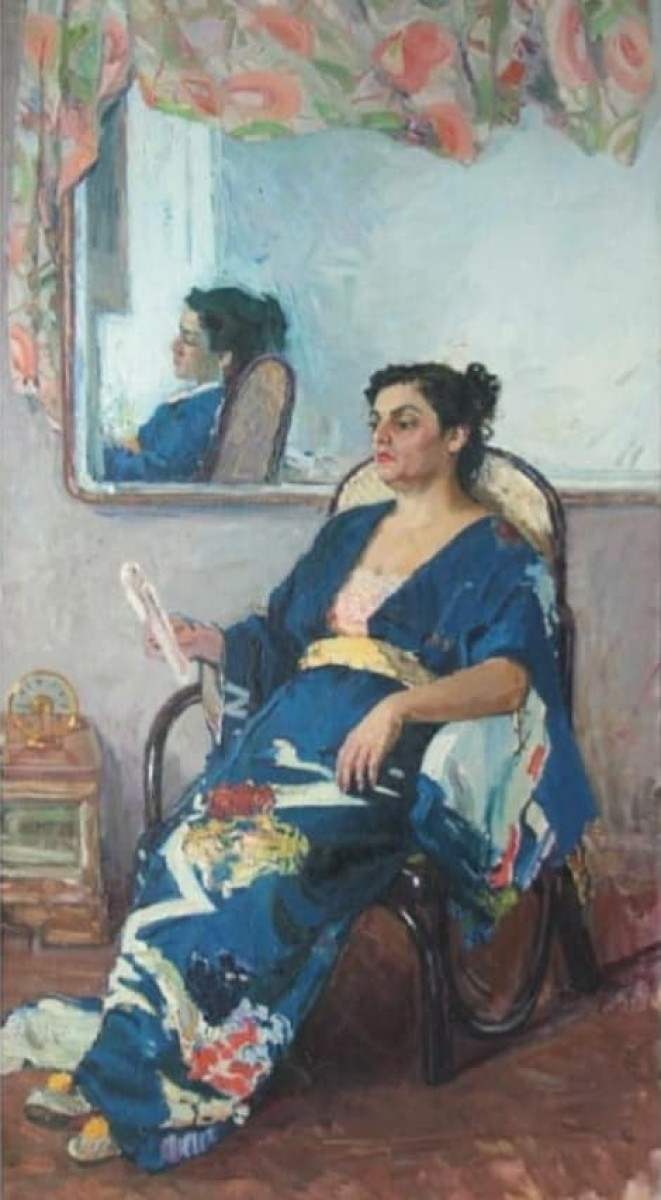
Taghiyev’s artistic language is grounded in realist representation. Attention to the structure of the figure, compositional clarity and the relationships between colours unites his work across different genres. His use of colour’s decorative potential adds expressive richness to his compositions.
In portraiture, colour and form reinforce the individuality of the sitter; in landscapes, they help establish the atmosphere of a place. A defining feature of Taghiyev’s practice is the transformation of close observation into a considered pictorial interpretation.
Exhibitions and Recognition
Taghiyev held solo exhibitions in Baku in 1968 and Moscow in 1970. His works were also exhibited in countries including Czechoslovakia, China, Senegal and Iraq.
In 1959, he received the Order of the Badge of Honour. In 1961, he was awarded the title of Honoured Art Worker of the Azerbaijan SSR, followed in 1982 by the title of People’s Artist of the Azerbaijan SSR.
Artistic Legacy
Taghi Taghiyev’s contribution to twentieth-century Azerbaijani painting is particularly significant in portraiture, thematic composition and realist representation. His oeuvre encompasses cultural figures, scenes of labour and family life, historical subjects, and urban and natural landscapes.
Across these different genres, Taghiyev explored the relationship between individual identity and the surrounding world. His paintings constitute a multifaceted artistic record of Azerbaijani society, shaped by an enduring interest in human character, everyday experience and the visual qualities of place.
Taghi Taghiyev died in Baku on 27 June 1993.
Art Space Gallery MEDIA