Life and artistic beginnings
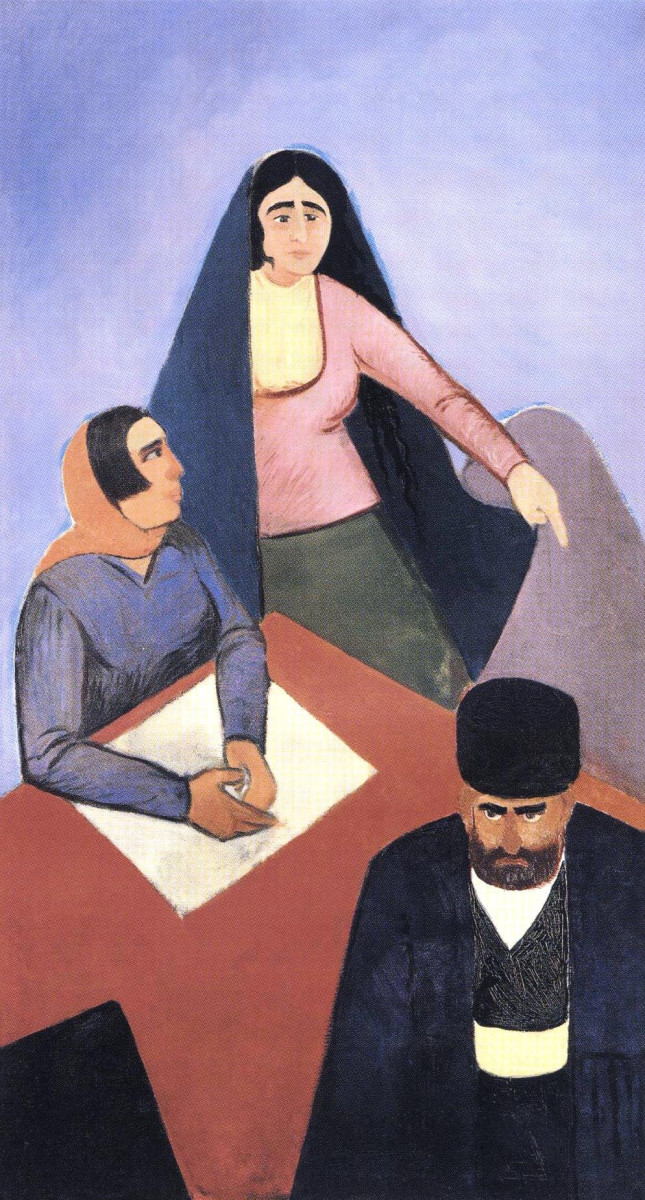
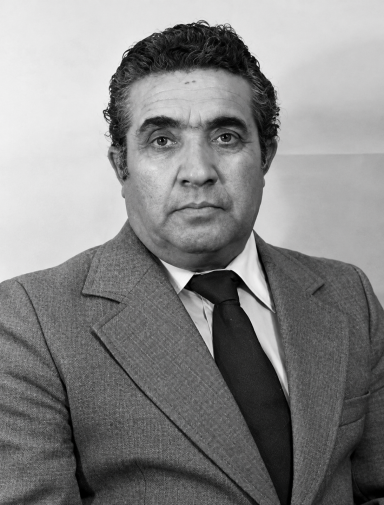
Gazanfar Alakbar oghlu Khaligov was born on 16 December 1898 in the village of Qobu. A prominent representative of Azerbaijani visual art, he graduated from the Azerbaijan State Art Technical School in 1928. His artistic practice encompassed painting, satirical graphics, book illustration, and the visual design of theatre productions and films.
In 1940, Khaligov was awarded the title of Honoured Art Worker, followed in 1973 by the title of People’s Artist of the Azerbaijan SSR. These distinctions recognised his sustained contribution to the development of Azerbaijani visual culture.
Satirical graphics and book illustration
Satirical graphics occupied an important place in Khaligov’s work. At different periods, he collaborated with publications including Molla Nasreddin, Gənc işçi and Kirpi. His graphic language was distinguished by keen observation, an ability to identify the defining features of a subject, and the capacity to translate an idea into a concise visual form.
Book illustration formed another significant direction in his artistic practice. His work associated with Shota Rustaveli’s The Knight in the Panther’s Skin, Mirmehdi Seyidzadeh’s Nargiz, and Aliagha Vahid’s Ghazals demonstrates his engagement with literary texts and his ability to interpret their character through graphic imagery.
The image of Nizami Ganjavi and historical themes
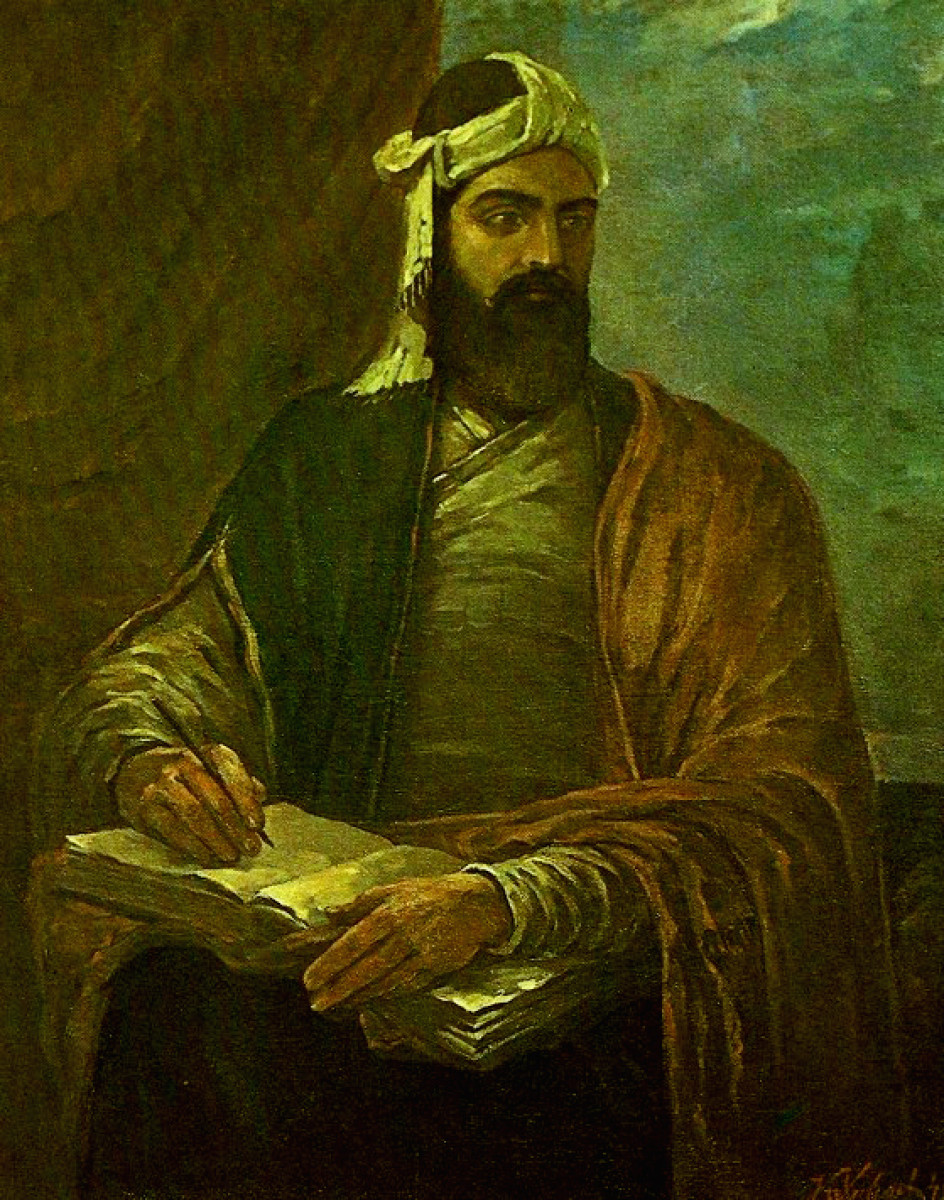
One of the most significant aspects of Khaligov’s legacy is his depiction of Nizami Ganjavi. Created in 1940 for the 800th anniversary of the great Azerbaijani poet’s birth, the portrait holds a notable place in the visual representation of Nizami within Azerbaijani cultural history.
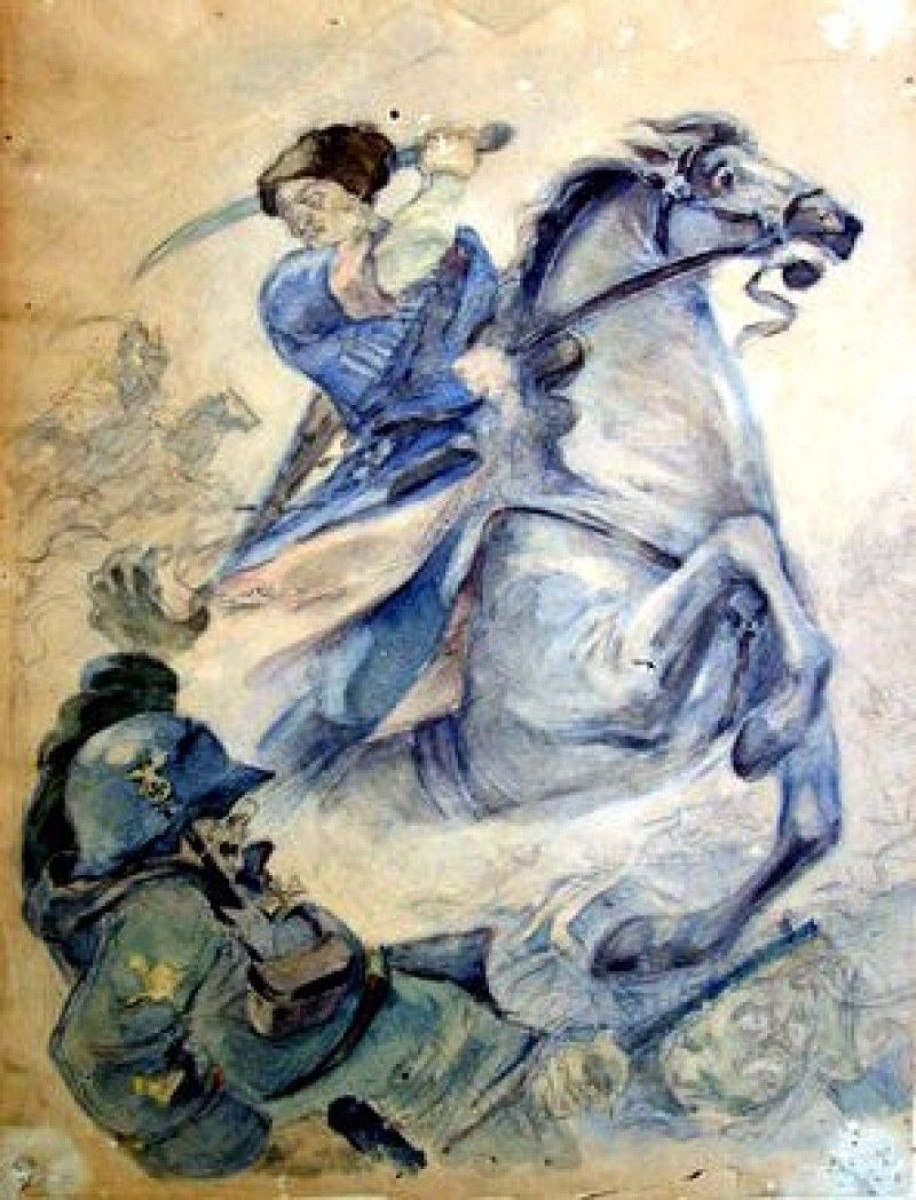
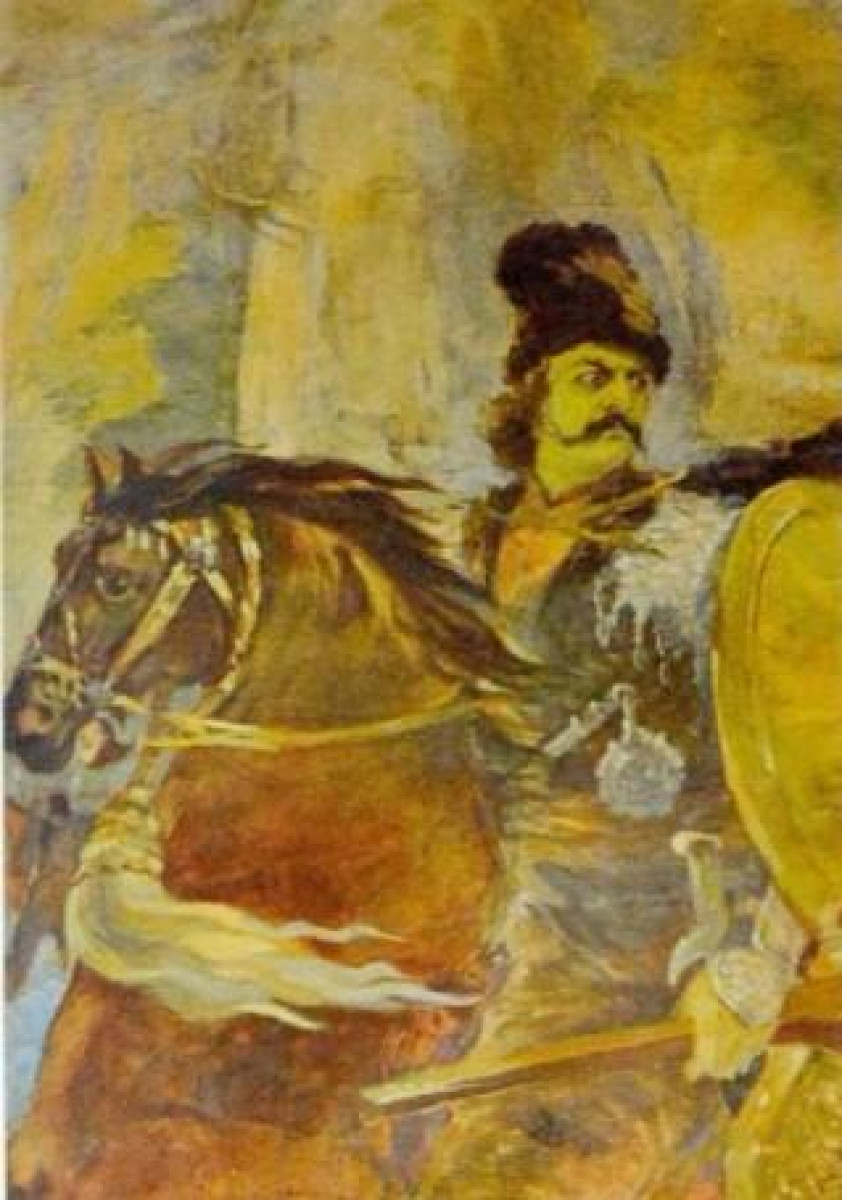
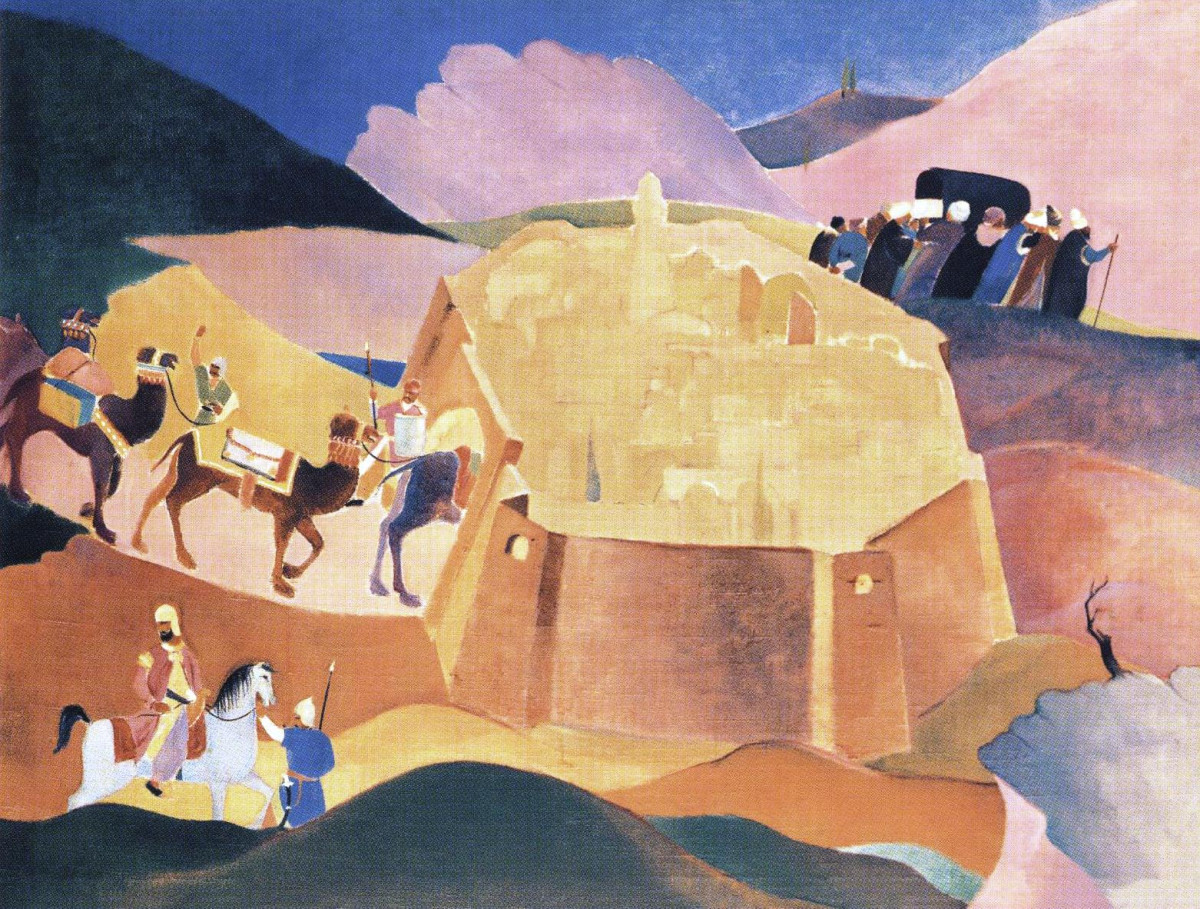
Khaligov also explored literary and historical subjects through works associated with Khosrow and Shirin and Iskandarnameh, as well as the historical composition Firdawsi’s Funeral. Figures such as Koroghlu, Khagani Shirvani and Muhammad Fuzuli also appeared within the broader range of subjects that informed his art.
His approach extended beyond the illustration of a literary episode. Through composition and characterisation, he sought to convey the emotional atmosphere of a text, the distinctive qualities of its figures, and the historical imagination surrounding its subject.
Theatre and cinema
Khaligov’s creative activity extended beyond easel painting and book graphics. He produced stage and costume sketches and contributed to theatrical productions associated with the opera Koroghlu and the works Leyli and Majnun and Asli and Karam.
He also worked in cinema, with his professional activity associated with films including Abbas’s Misfortune, The Magic Robe and The Investigation Continues. These fields offered further contexts in which he could apply his visual thinking to narrative, character and stage or screen composition.
Khaligov’s place in Azerbaijani visual art
Gazanfar Khaligov’s legacy represents a broad artistic practice connecting graphics, book illustration, painting and theatrical design. His sustained engagement with literary and historical subjects contributed to the visual expression of Azerbaijan’s cultural memory.
He died in Baku in 1981. His work remains significant to the study of Azerbaijani graphic art and the visual traditions through which national literary figures have been represented.
Art Space Gallery MEDIA