The Artist’s Formation and Creative World
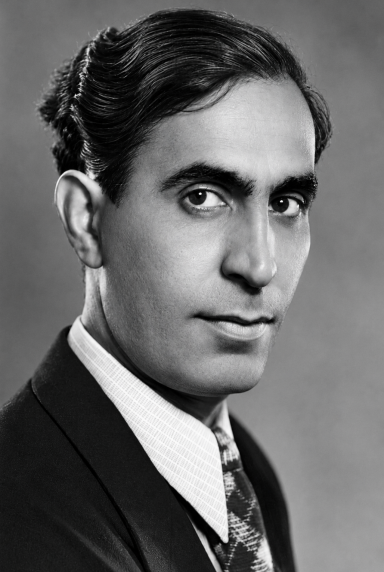
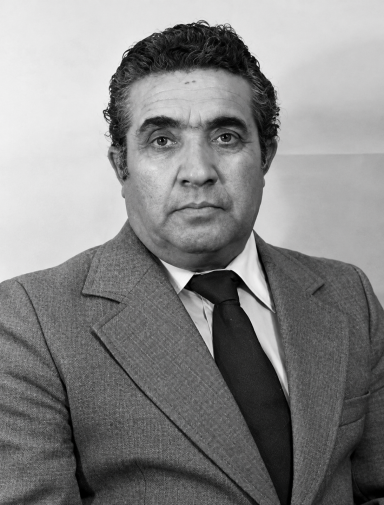
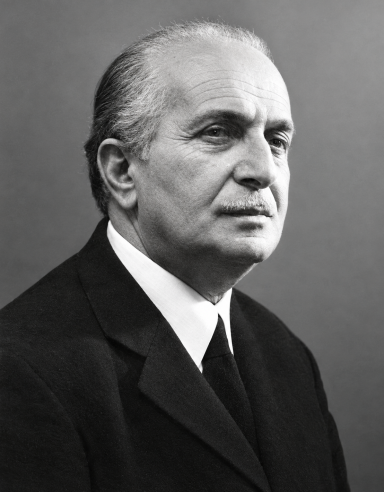
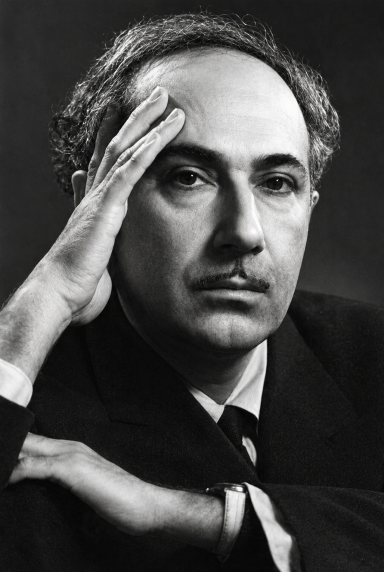
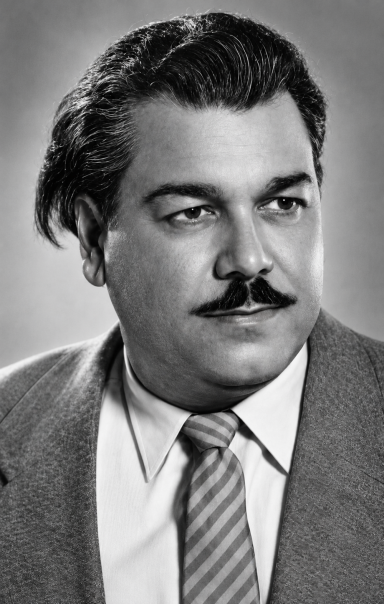
Baba Balababa oglu Aliyev was born on 22 March 1915 in the settlement of Zirə, Baku. He graduated from the Azerbaijan State Art School in 1937 and continued his studies at the V. I. Surikov Moscow State Art Institute in 1940–1941. His professional training, powers of observation, and attention to human character played an important role in his development as an artist.
A distinctive figure in the development of twentieth-century Azerbaijani painting, Baba Aliyev worked across portraiture, landscape, genre scenes, and compositions with historical themes. His engagement with diverse subjects reveals the breadth of his artistic vision and his ability to interpret people, nature, and the realities of his time through different modes of pictorial expression.
The Human Figure and the Expression of Character
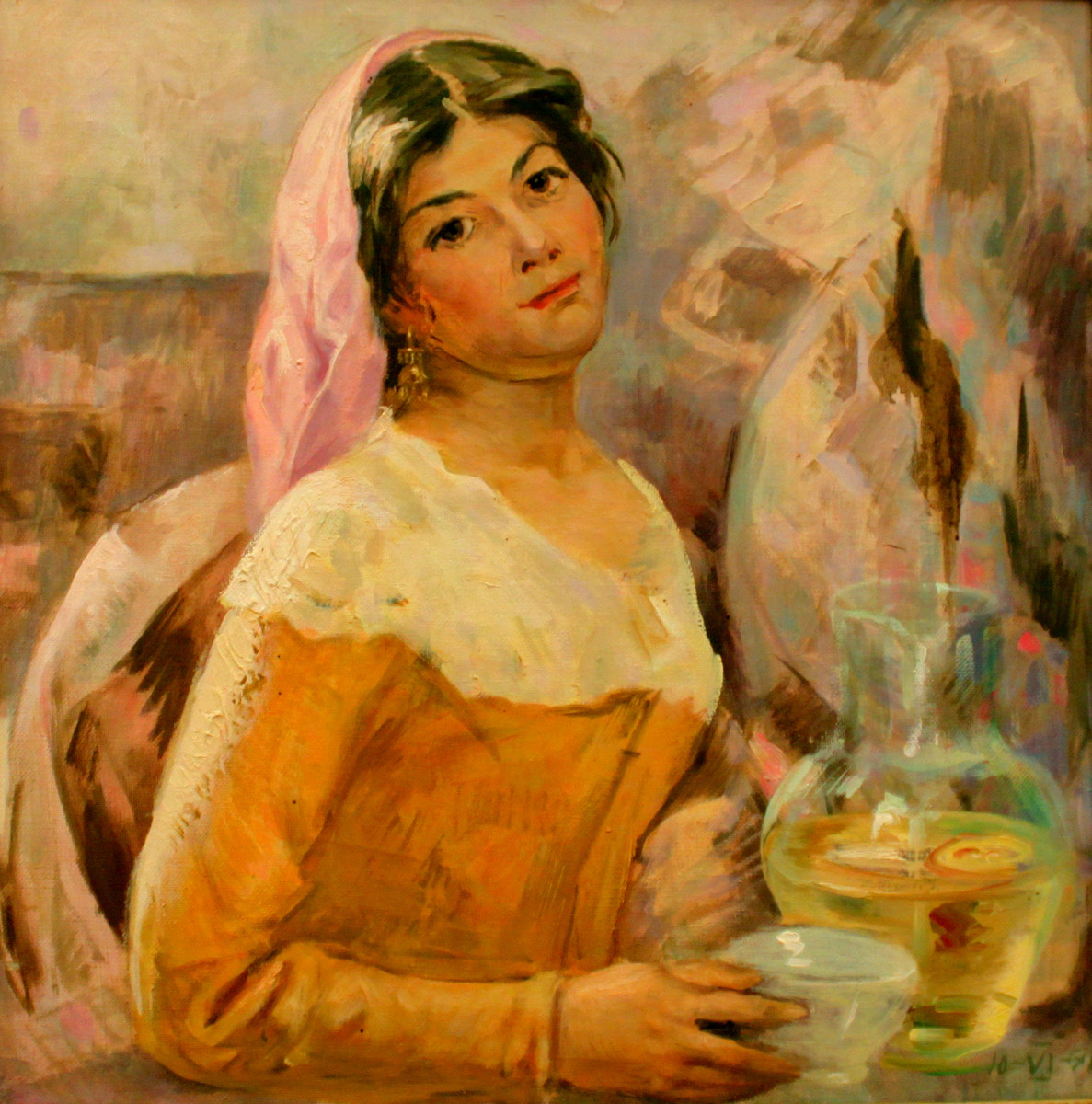
The human figure occupies an important place in Baba Aliyev’s work. In his portraits, he sought to convey not only physical likeness but also the individual qualities and inner world of his subjects. People from different professions, his contemporaries, and historical figures became subjects through which he explored a variety of human characteristics.
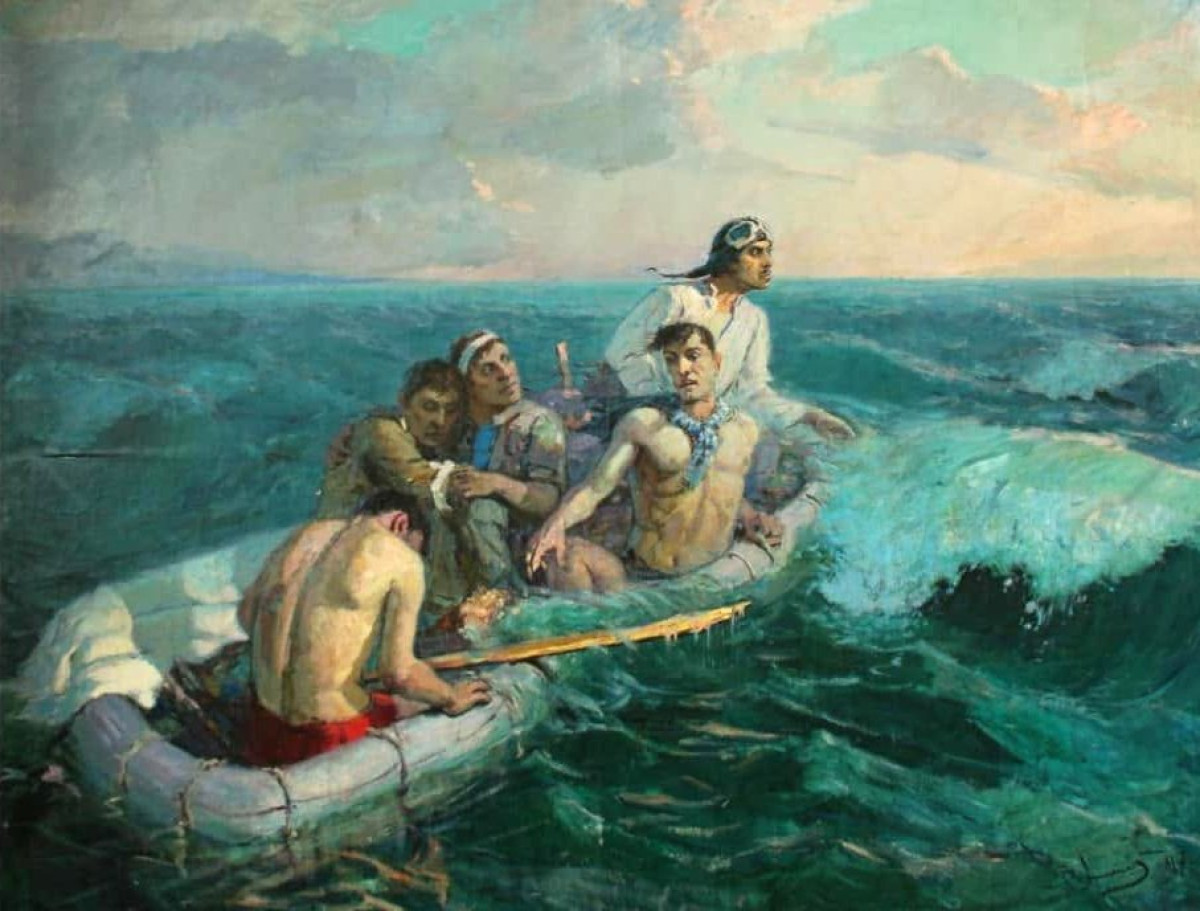
The events of the Second World War and the post-war period also influenced his choice of themes. The Heroism of Pilot Mazahir Abbasov (1947) is a notable example of this direction. In works devoted to heroic figures, Aliyev placed human resolve, courage, and moral strength at the centre of the composition.
The Life of the Period and Human Relationships
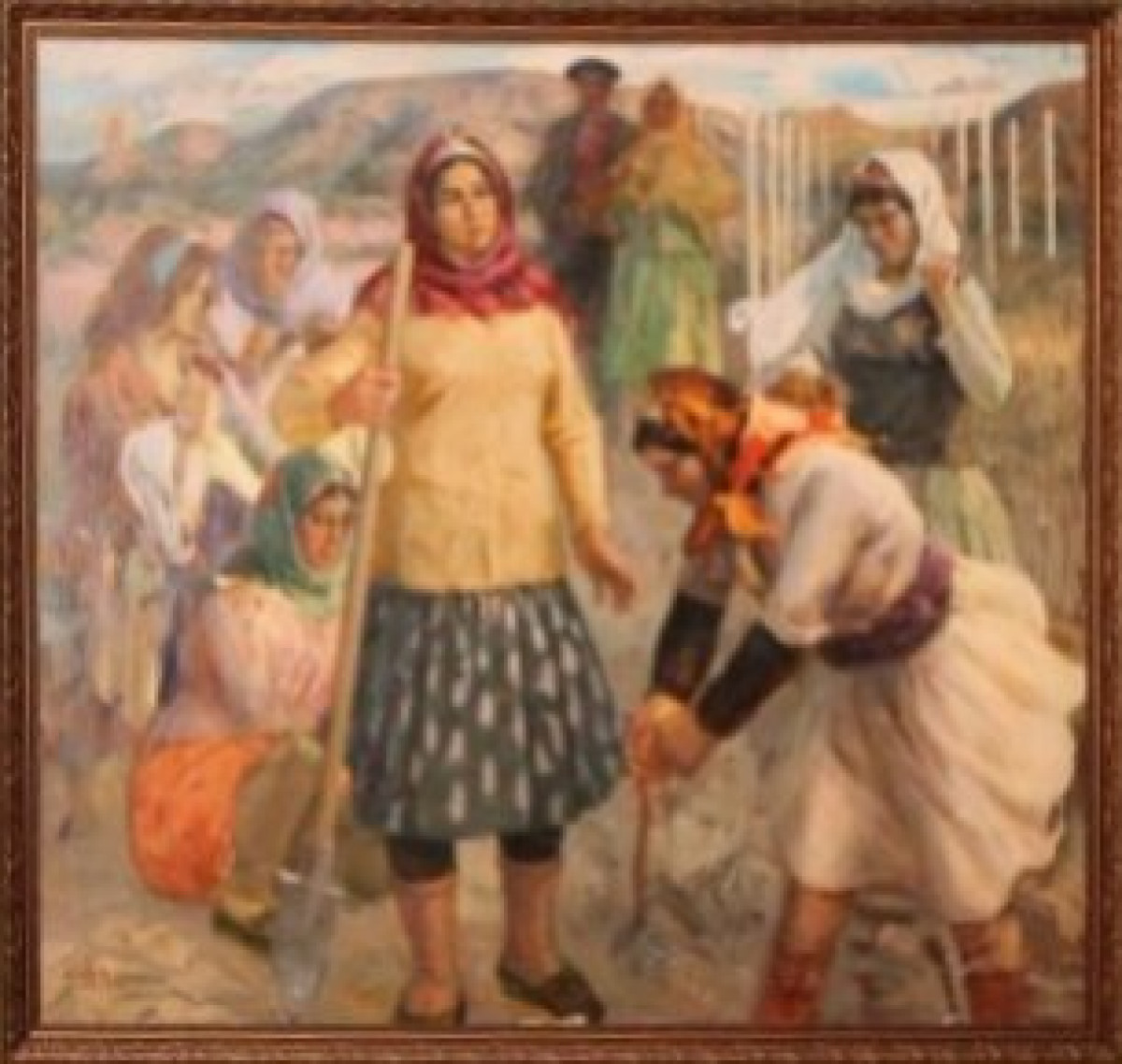
Scenes of everyday life also feature prominently in Baba Aliyev’s art. He created the monumental panel Cotton Delivery to the State (1951) in collaboration with Abdul Khalig and A. Zarubin. Exhibited at an All-Union exhibition, the work belongs to a body of compositions depicting rural life and collective activity.
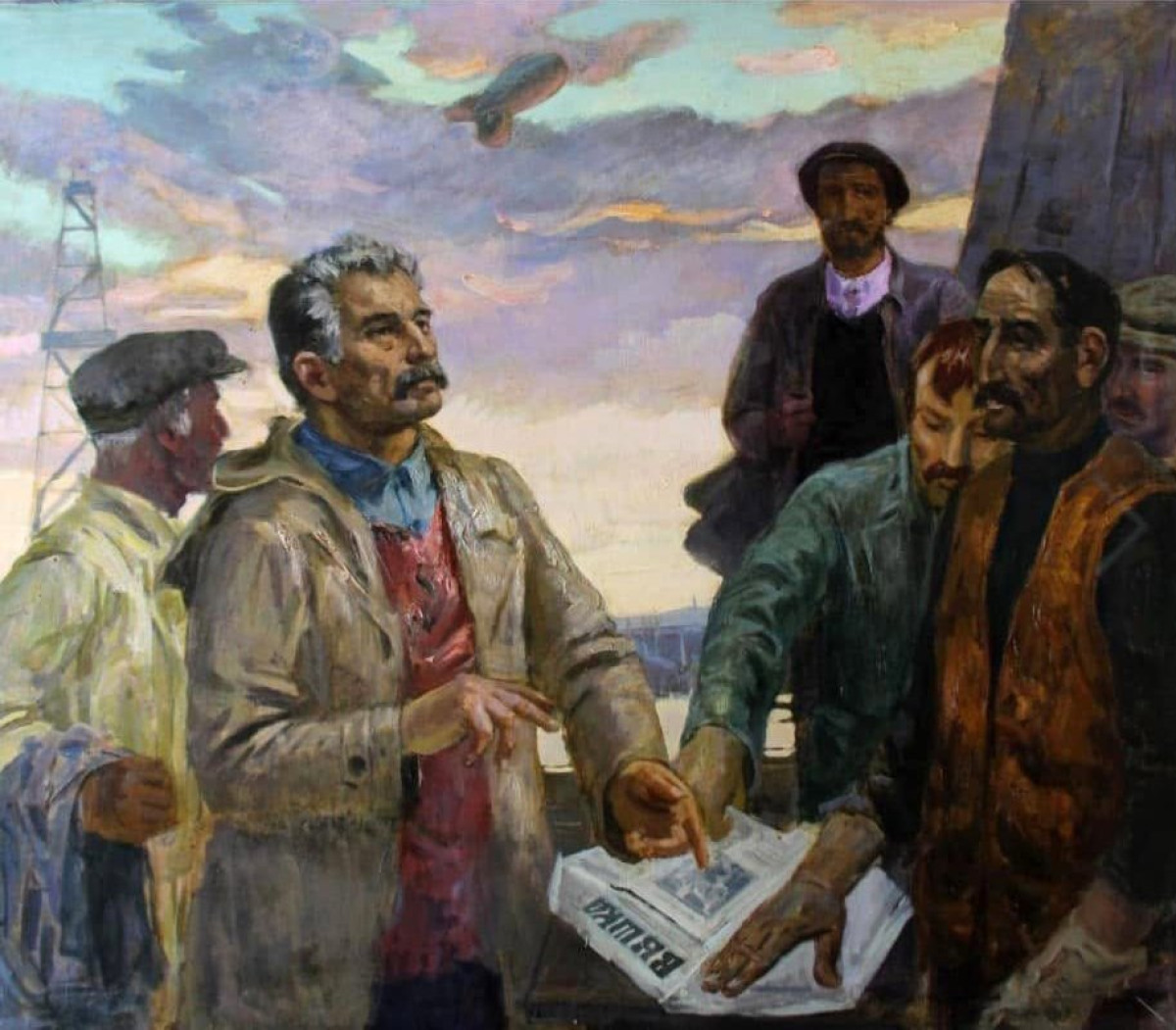
In works such as Before the Shift (1959), Oil Workers at Rest (1961), and The New Shift (1963), the artist connected the working environment with the social and human relationships of everyday life. His attention extended beyond the activity itself to the arrangement of figures, their interaction within a group, and the overall construction of the scene.
These compositions document aspects of the period’s way of life while demonstrating how the human figure functions as one of the principal means of expression within a painting.
Landscape and the Artistic Interpretation of Nature
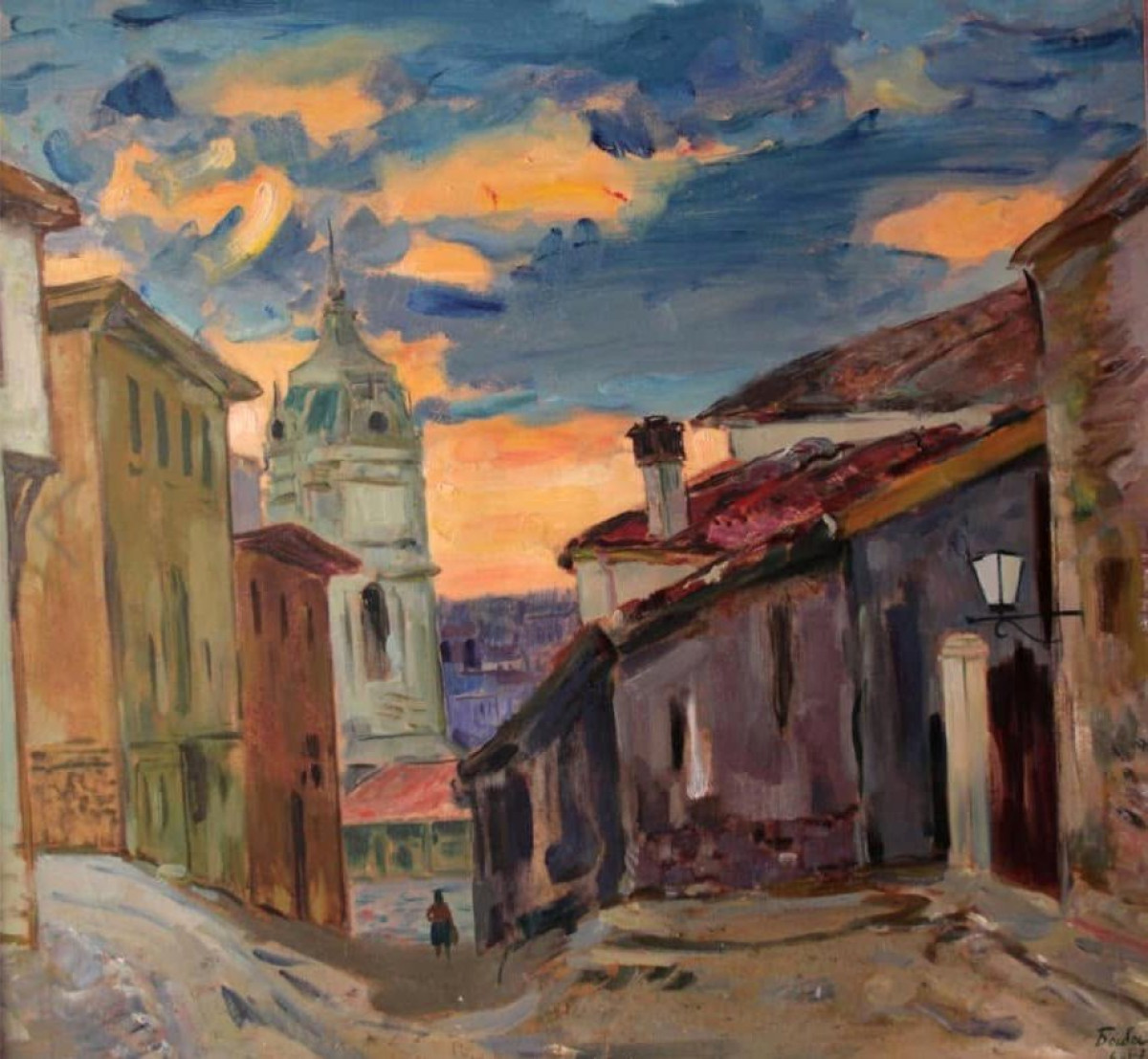
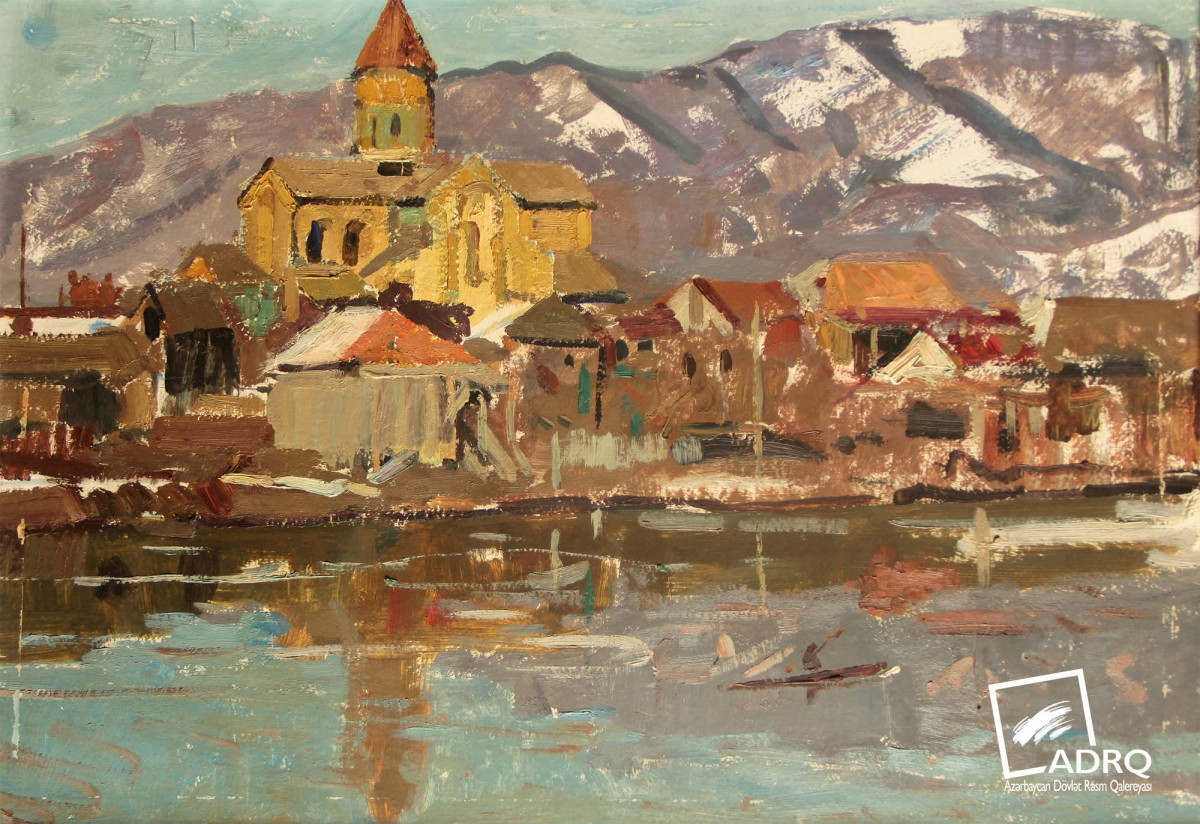
Baba Aliyev’s artistic legacy cannot be confined to the human figure and scenes of everyday life. Landscape also occupies an important place in his work. In Mughan (1963), Evening on the Caspian Shore (1964), and Chukhuryurd (1965) are among the works that illustrate different aspects of his approach to nature.
In these paintings, spatial structure, colour relationships, and the atmosphere of light contribute to the emotional impact of the image. Nature is not merely a backdrop for events; it becomes an independent pictorial subject with its own artistic significance.
The relationships between colours and the overall coherence of the composition are particularly notable in Aliyev’s landscapes. His ability to preserve the recognisable features of the natural environment while interpreting them through carefully considered colour and mood strengthens the expressive quality of these works.
Pictorial Language and Stylistic Characteristics
One of the defining features of Baba Aliyev’s work is his ability to shape a composition in accordance with its subject. The arrangement of figures in multi-figure scenes, the emphasis on individual character in portraits, and the organisation of colour and space in landscapes reveal his capacity to work across different genres.
In some of his works from the 1960s, a restrained and concise mode of expression brings the central subject into focus. This approach is evident in the construction of figures, the balance of the composition, and the selection of pictorial means.
Aliyev’s art cannot be adequately explained through a single stylistic characteristic. The varied expressive methods employed in his portraits, landscapes, and multi-figure compositions reflect the breadth of his artistic interests. This diversity makes his legacy an important part of the wider development of genre and thematic expression in Azerbaijani painting.
His Place in Azerbaijani Fine Art
In 1964, Baba Aliyev was awarded the honorary title of Honoured Art Worker of Azerbaijan, followed by the title of People’s Artist in 1982. His works are preserved in the collections of the National Art Museum of Azerbaijan and the Azerbaijan State Art Gallery. In 2016, an exhibition marking the centenary of his birth was held at the National Art Museum of Azerbaijan, featuring works from museum and gallery collections as well as the artist’s family collection.
Baba Aliyev’s legacy is significant for the connections he established between portraiture, landscape, and multi-figure composition; his attention to the human figure; and his interpretation of different aspects of life through the expressive possibilities of painting. His work offers valuable insight into several dimensions of Azerbaijani painting during the twentieth century.
Baba Aliyev died in Baku on 27 March 1991.
Art Space Gallery MEDIA